

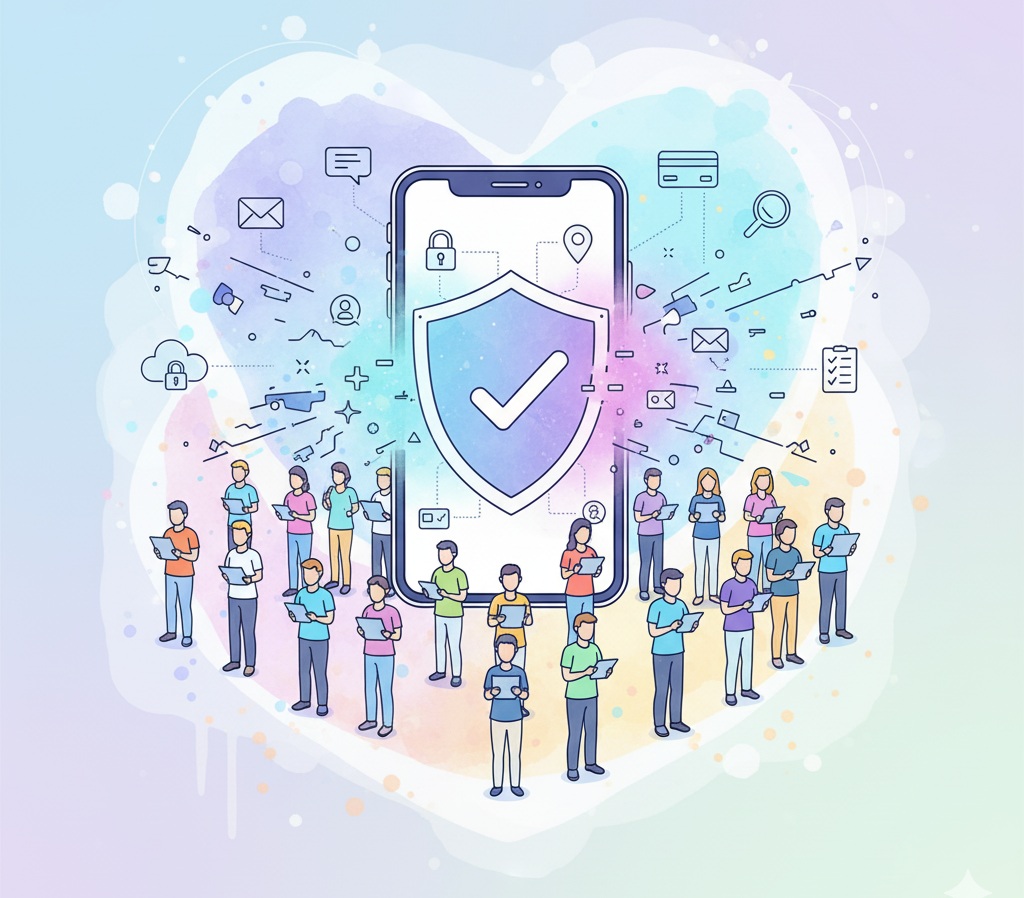
Data protection isn’t just a tech checkbox—it’s a trust contract between you and every attendee. Whether your event hosts 100 employees or 5,000 global delegates, privacy compliance needs to be built in from the start. And with tools like Yapp’s event app, you don’t have to be a data security expert to get it right.
At Yapp, we’ve seen how a well-built event app can both elevate attendee engagement and strengthen your compliance posture. We also know that getting privacy wrong—through unsecured data collection, unclear consent forms, or risky integrations—can damage credibility fast.
Why does data privacy matter for event apps?
Think of your event app as a digital handshake. When attendees download it, they’re trusting you with their names, emails, locations, and sometimes payment info. That data falls under strict regulations like GDPR, CCPA, and PIPEDA—depending on where your attendees live.
But compliance isn’t just about avoiding fines. It’s about trust and transparency. When attendees know you’re safeguarding their data, they’re more likely to engage freely.
At Yapp, our developers build privacy-first architecture into every mobile app created on the platform. “We’ve designed Yapp so organizers never have to choose between engagement and compliance,” says one of our product engineers.
That focus has made a real difference for customers like Schools That Can, a nonprofit that used Yapp to coordinate a national education forum. With Yapp, they communicated securely, pushed updates instantly, and reduced printed materials—saving thousands of sheets of paper and ensuring attendee information stayed private and centralized.
When data privacy is done right, it’s invisible. Attendees simply enjoy seamless access to schedules, speaker bios, and updates—without ever worrying about who’s watching.
What are the core privacy principles you should follow?


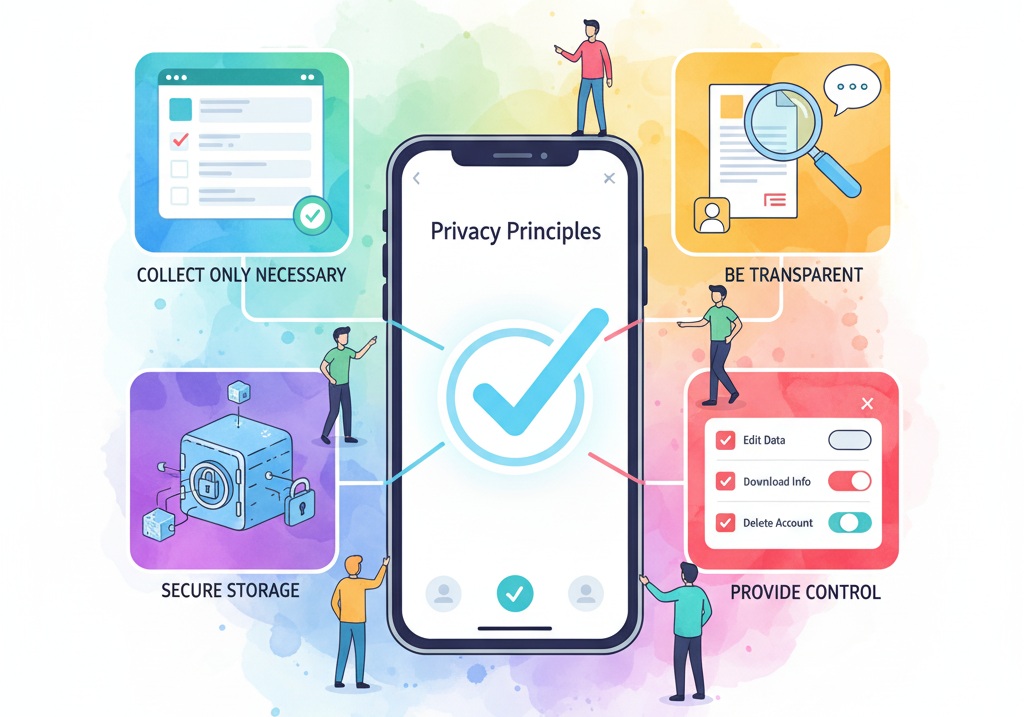
No matter your industry or event size, privacy compliance starts with a few universal habits:
- Collect only what’s necessary. Don’t ask attendees for data you don’t need. Yapp lets you design registration forms that stay focused and compliant.
- Be transparent. Tell users what data you collect and how it’s used. Clear copy inside your app builds credibility.
- Use secure storage. Data encryption and limited access should be standard. Yapp’s backend systems ensure customer data is never sold or shared.
- Provide control. Let attendees manage their own data—opt in, edit, or delete when needed.
- Stay updated. Privacy laws evolve fast. Choose an event app provider that updates compliance protocols continuously.
Our product team constantly reviews Yapp’s platform to stay aligned with global standards. “Every feature we add goes through a privacy review,” explains a Yapp UX lead. “It’s part of our release checklist, not an afterthought.”
Privacy isn’t static—it’s an ongoing relationship. Every new feature, partner integration, or third-party API should go through a privacy lens. When event planners make that a routine part of operations, compliance becomes muscle memory, not a headache.
How can you ensure compliance from day one?
Privacy success starts before your first attendee registers. Here’s how to bake compliance into your event workflow:
- Map your data flow early. Know what personal data you’ll collect, where it’s stored, and who has access.
- Pick a trusted event app partner. Providers like Yapp’s mobile event app offer secure templates and built-in privacy measures.
- Customize your consent process. Include clear terms of service and privacy acknowledgment when attendees sign up.
- Test your permissions. Simulate an attendee journey to confirm no unnecessary access is requested (like contacts or location without purpose).
- Train your team. Even the best tools can’t protect data if your event staff mishandles it. Make privacy training part of onboarding.
The Uncubed conference team used this approach with Yapp, creating private hubs that delivered real-time updates to over 5,000 attendees while protecting participant data. They saved over $100,000 in operational costs and eliminated risky email lists that exposed personal information.
We’ve also seen event teams go a step further by auditing their data lifecycle post-event. Deleting unnecessary records and anonymizing attendee feedback builds trust and reduces liability. It’s a simple practice that pays dividends long after the event ends.
When compliance is handled early, you gain the freedom to focus on creating memorable event moments—not crisis-managing data issues later.
The business advantage of privacy-first events
Event privacy isn’t just a legal checkbox—it’s a brand differentiator. Organizations that lead with privacy demonstrate accountability and professionalism. For example, Verizon used Yapp’s platform for internal training events and saw improved employee confidence and engagement. When people know their data is secure, they interact more openly.
Compliance also makes sponsors and partners more likely to collaborate. They see your event as a safe environment for sharing resources and data. And in a world where cyber incidents dominate headlines, that peace of mind is priceless.
Another advantage? Efficiency. Privacy-first planning streamlines how your team works. When your systems are organized, permissions are clear, and communication happens securely inside one hub, you reduce redundancy and confusion.
At Yapp, we’ve helped thousands of event organizers—from nonprofits to Fortune 500s—build secure, engaging digital experiences that meet the toughest global standards. We handle the tech, so you can focus on connection.
Ready to make your next event better? Start your trial now!