Tag Archives: what the tech

What the Tech?! The Internet of Things

Internet of Things

• Yapp explains the Internet of Things in plain language for readers who want a quick introduction.
• The post shows how connected devices fit into a larger tech trend without overcomplicating it.
• Readers curious about smart devices and connected technology will benefit most from this article.

It’s the hot topic at CES 2014. But what exactly is the “Internet of Things”?

Internet of Things, n;
The basic interconnected-ness of objects through the wireless Internet. So, being able to control things (and things being able to control themselves) through the Internet and Internet-connected devices. The term was officially coined in 2009, and grew popular through the Auto-ID center (researching RFID technologies) at MIT.

As it’s still a new idea, there are a lot of ideas defining the Internet of Things. Companies like Nest are leading the pack. Their thermostat can be controlled remotely via smartphone app, and eventually learns settings and adjusts on its own accordingly. Many other gadgets growing out of the Internet of Things use personal data to keep you constantly connected to the web. Wearable fitness trackers, connected cars, smart appliances, and even Internet-controlled locks are in the ethos, and at the Consumer Electronics Show this year.

The bottom-line idea behind the Internet of Things is to connect all things to the Internet, and then to each other — probably through your smartphone. Already, you can use a wearable fitness device when you’re out for a jog, then see all your data in an app once you’re home. In the near future, it’s possible that your fridge will sense a change in weight on a certain shelf, then send a note to your phone reminding you to pick up milk.

See what trends the Internet of Things is showing off at CES 2014.
What the Tech?! Square Cash

  • Yapp explains Square Cash and why peer-to-peer payment tools were becoming more common.
  • The post gives readers a simple look at a fast-changing digital payments trend.
  • Readers interested in fintech and mobile payment tools will benefit most from this explainer.”

It’s New Year’s Eve, and parties abound. If you’re heading out with your best friend of yours who never carries cash (even when you remind them a million times about the door cover or cash-only bar), get acquainted with your new best friend, Square Cash.

What the Tech?! New Year's Eve

Square Cash, n;
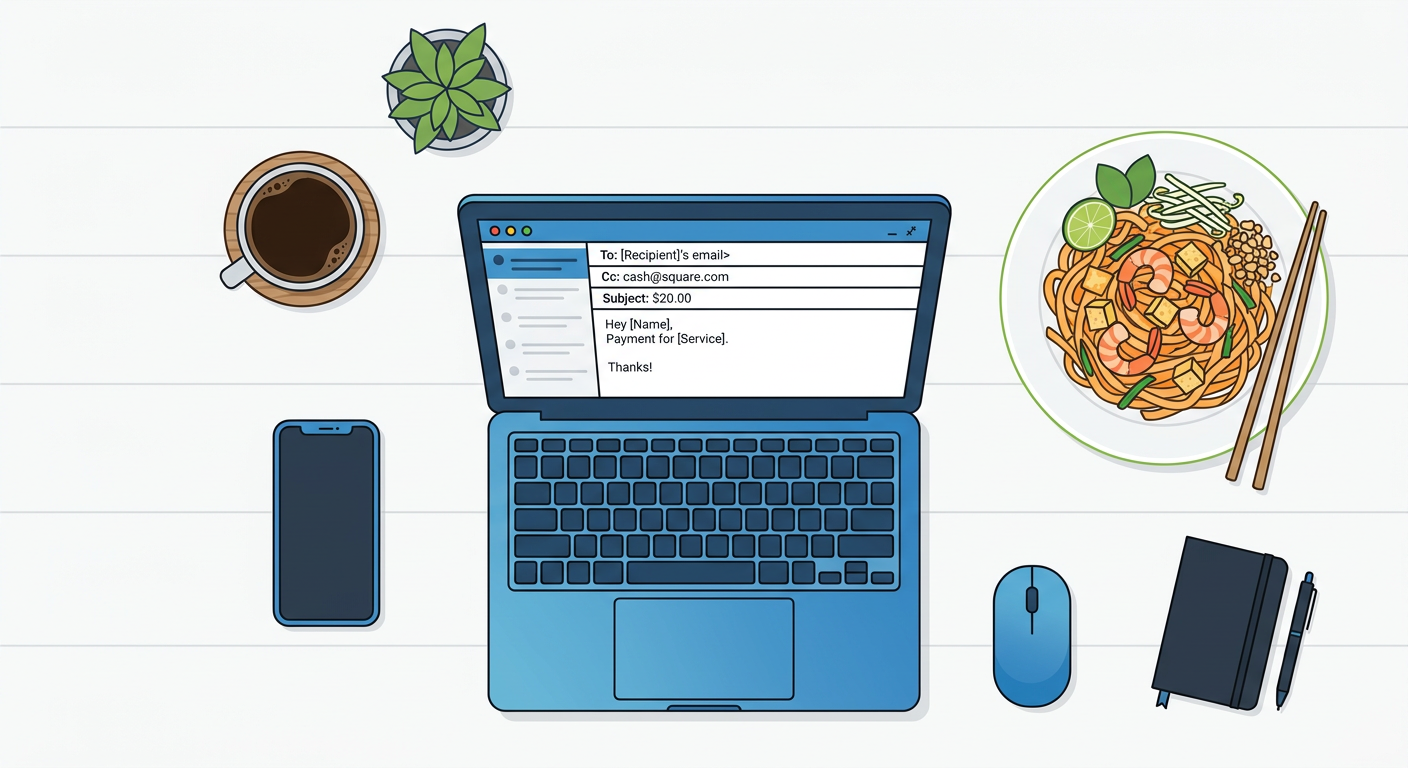
An email-based way to send cash in seconds. Square Cash, built by the guys who brought small businesses the ability to accept credit cards through phones and tablets, lets you transfer money painlessly with the basic communication of email. Compose an email to the friend you owe, copy Square, type the amount owed in the subject line, and even leave a thank you message if you please. When you send, you and the recipient both get an email and are taken to Square to enter your card information. Once both are accepted, the money moves magically, like that quarter your dad always carried and somehow found behind your ear.

Square Cash also has an app (a Yapp favorite that we’ve previously featured) that is the same level of simple. Open the app, type in the amount you’re sending, and they’ll generate an email in your client that’s set and ready to send to whomever. It’s comparable to Venmo — which lets you pay your contacts and Facebook friends within apps — and Google Wallet, which strikes more as a digital payment-to-store service.

Getting money deposited in your bank account always seems like magic, but it’s pretty simple with Square. There isn’t any new technology to understand, just email and, basically, a return credit from Square. You give your money to Square, and they credit it back to your friends who register their cards after your initial email. The uses go far beyond bars and clubs — send your debt payments to mom and dad (or your loans to son or daughter), pay your roommate for bills, pay your balance for the Thai delivery order. 

What the Tech?! is a Yapp blog original series. If you’ve got tech terms, trends or gadgets that have you scratching your head, fill out our contact form or leave us a comment.

What the Tech?! Android Launchers

robots
  • Yapp explains Android launchers and why they matter for phone customization and user experience.
  • The post turns a mobile software concept into a clear, beginner-friendly overview.
  • Android users curious about personalization and interface control will benefit most from this article.

Android Launcher, noun;
Technically, it’s the homescreen of an Android phone. There are launchers built into an Android phone’s code (which is why each manufacturer can sell its own look), but there are also apps that let users customize the look of their phone on top of that built in design. This is probably what you’ve heard or read about, and faced with dreadful confusion.

Unlike iOS devices, Androids are highly customizable. There are a variety of launcher apps available in the Google Play store that either apply a specific look to your phone (like Launcher 7, which applies the look of a Windows phone) or provide you with a variety of customizable templates to find an aesthetic that’s pleasing to you (like Nova Launcher).

When you download and open a launcher, it takes over the user interface (i.e., the look and feel) of the phone. The functionality of all of your apps and widgets remains the same, simply with a more unique and unified design. Plus, you can customize gestures and animations to look like a real wizard to all of your friends.

What the Tech?! is a Yapp blog original series. If you’ve got tech terms, trends or gadgets that have you scratching your head, fill out our contact form or leave us a comment.

What the Tech?! Apple’s iBeacon Technology

iBeacon
  • Yapp explains iBeacon and why proximity-based technology was gaining attention.
  • The post makes a more technical concept easier to understand with simple examples and context.
  • Readers interested in location-aware tech and retail innovation will benefit most from this explainer.

iBeacon, noun;

An indoor positioning system developed by Apple that can send push notifications to devices close by. It senses your location and puts it in context to push out deals, information, and even enable payments.

iBeacon tech is already being used in Apple stores. Wireless sensors recognize your iOS 7 devices and send you notifications with deals, notes about upgrades, and information about where to get other goods or assistance. Baseball parks are planning to install these sensors to provide users of the MLB At The Ballpark app with food coupons and history of the parks and teams.

The tool is designed to help the retail industry simply payments and offers. Plus, it works with more than just iOS 7 devices — Macs running OS Mavericks as well as Android devices running Android 4.3 with Bluetooth 4.0 can receive notifications from iBeacons.

What the Tech?! The M7 Motion Co-processor

What the...M7
  • Yapp explains Apple’s M7 chip and why it opened up new possibilities for iOS apps.
  • The post helps readers connect hardware advances with the types of app experiences they enable.
  • Readers interested in Apple hardware and app innovation will benefit most from this article.

Heard whispers about the M7 motion co-processor that Apple’s new iPhone 5S, iPad Mini and iPad Air are equipped with? If you then responded with a jumble of techy words like “Javascript” and “microchip”, you might need our help.

M7 Motion Co-processor, noun;

Also known as the Apple M7, the motion co-processor is a chip that lives inside your iPhone and never sleeps. It utilizes a bunch of different tools like a gyroscope and accelerometer (which translate to measure your steps and speed, respectively), and stores that data for apps that can use it.

The addition of the M7 is huge for fitness apps. Moves, which tracks your steps, can accurately measure every step you take when your phone is on your person, and know when you’re running, biking, or using speedier transportation.

Sure, apps like this have existed before the M7. What makes it an innovative step forward is it’s ability to feed data to apps even when the device is asleep or the app isn’t open. This means longer battery life and less energy wasted by the more than a billion smartphones in the world.