Yapp shows how couples can use custom wedding apps to share details and simplify guest communication.
Centralized schedules, maps, and event info help make weddings more organized and less paper-heavy.
Couples planning weddings and guest communication will benefit most from this use case.
You might think a wedding website is the easiest way to share information with your guests. But what if you could build a mobile app that guests could access anytime, anywhere?
According to Maria Seidman, co-founder of Yapp, a New York City-based startup, if you can type and tap on a smartphone, you can create a wedding app in just a few minutes.
Yapp announces major funding as a milestone in the company’s growth story.
The post signals momentum and support for the vision of easier app creation.
Readers interested in startup funding and Yapp’s expansion will benefit most from this update.
Maria Seidman helps organize a monthly womens’ networking event for her business school alums in New York City but was frustrated with some of the options for creating a dedicated mobile app for an event. So she decided to create a DIY mobile app creation platform herself.
Yapp highlights outside coverage from Business Insider tied to the product’s simplicity and value.
The post adds credibility by showing how Yapp was described in mainstream business media.
Readers interested in Yapp press mentions and product positioning will benefit most from this update.
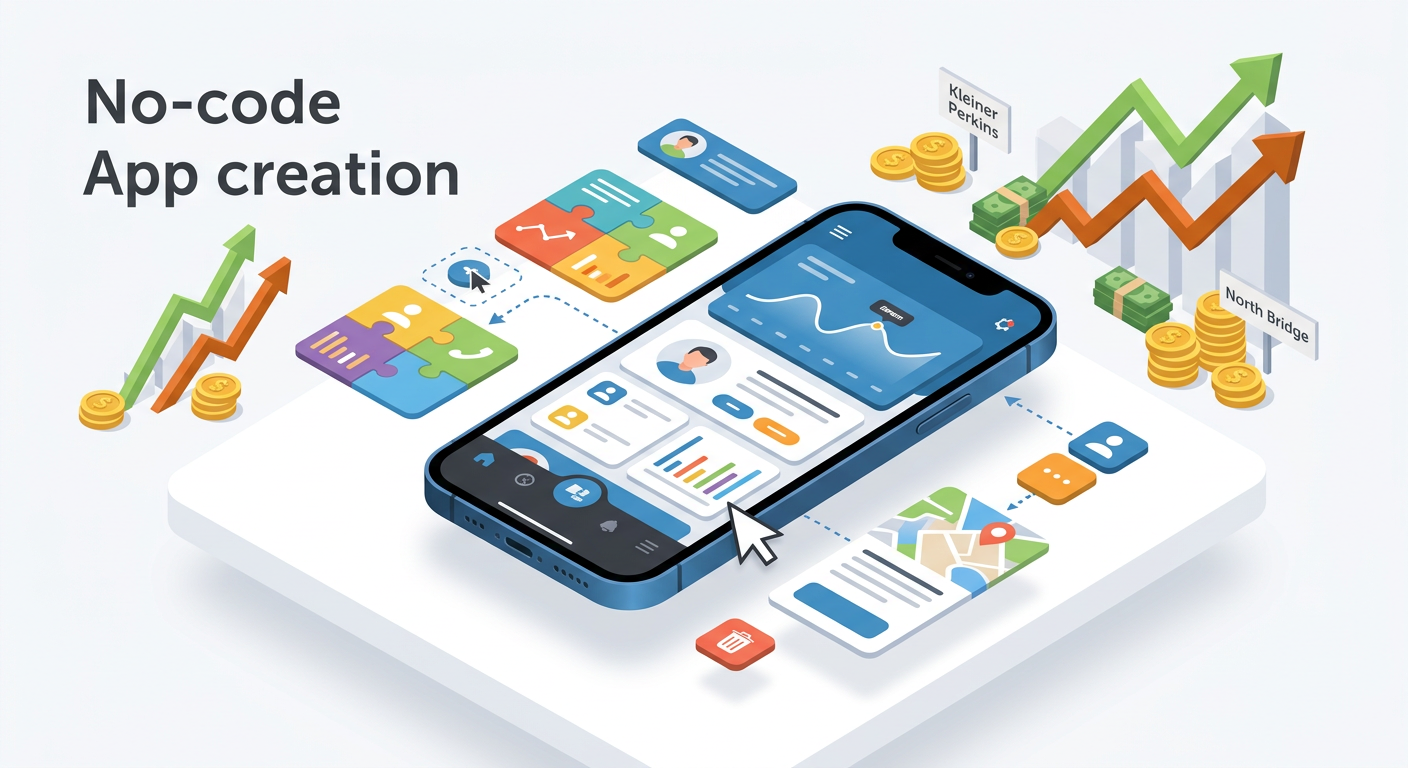
“Last month Yapp demoed at New York Tech Meetup. Today it’s announcing a round of financing from Kleiner Perkins, North Bridge Ventures Partners, Cue Ball, and angel investors.”
Yapp explains the practical use cases behind its app builder so readers understand what it can actually do.
The post connects app creation with real needs like events, communities, and communication.
Prospective users trying to decide whether Yapp fits their goals will benefit most from this article.
It does beg the question then as to why the app builder has been developed at all. There is an insight from Yapp co-founder Maria Seidman that this could be very similar to what happened in web design where designing a website from scratch is now not the only way to get online, because of the ease of creating a blog or WordPress website. She said:
“[With web pages], tools came into the market that made it really easy for people to create a blog or a website for the PTA,” Seidman says. “We think the same thing will happen with apps, but at a much more rapid rate.”
Yapp explains how the platform makes it possible for anyone to create a mobile app for events.
The post emphasizes accessibility, speed, and the removal of technical barriers to app building.
Event organizers who want a simpler route to mobile communication will benefit most from this overview.
“Most mobile apps take a lot of time and development hours — but what if someone came out with a WYSIWYG-type editor that would allow anyone to easily create customizable apps for the iPhone? That’s what New York City-based startup Yapp hopes to do.”
Yapp marks an early founding milestone and introduces the purpose behind the app builder.
The post contributes to the company’s origin story and explains the vision behind easier app creation.
Readers interested in Yapp’s founding and early mission will benefit most from this update.
“Maria Seidman, former vice president of digital distribution at Warner Bros., decided to found a new company to “democratize the app market” and make it affordable for every person on the planet to build their own app.”
Yapp announces or reflects on a private beta stage in the product’s early launch journey.
The post marks an important step in turning the platform into a usable product for real audiences.
Readers interested in Yapp’s product beginnings and startup milestones will benefit most from this piece.
Today, we opened our first product, Yapp Events, to users in a private beta. Yapp Events allows anyone to create a mobile application for their wedding, conference, book club, reunion, team, club, and…(well, that is what we are excited to find out!).
What does launching a private beta mean, anyhow? It means something different for every new service. For us, we invited a small number of users from our beta list to try the product. We couldn’t let everyone in (yet). We are a small team and need time to give to our early users the love and attention they deserve.
Previously, I wrote a blog post about the viral sign up craze. We decided to prioritize our list based on who we thought — from our “Mad Libs” style sign up form — might most benefit from the current version of Yapp Events. (If we missed you, send me a note at maria@yapp.us). We could have certainly increased our list by using some social mechanics like offering invites to those folks who Liked Us on FB or Followed Us on Twitter, before they even saw or tried the service.
But that’s not how we roll.
We have worked hard to build what we think is a great product — one we hope is worthy of the special and professional events in your life. And, we have just begun!
We hope that in time, we will have a community of passionate users whose events and lives Yapp has enriched. Then those Likes and Follows will mean something.
Yapp explores how important mobile strategy is for modern communication and event experiences.
The post encourages readers to think more seriously about mobile-first access, convenience, and engagement.
Organizations deciding how much to invest in mobile experiences will benefit most from this article.
Today’s “service announcement” by Google http://dthin.gs/rFD515 that businesses need mobile websites brought me back to 1996. Agencies were telling and selling companies they needed a web presence and the first self service platform, Geocities, launched. It was the dawn of the web as marketing and today Google reminded companies that the dawn of mobile marketing for SMBs has begun. Today, more than half of SMBs (http://bit.ly/vV9KBI) still don’t have a web presence of any kind so the journey will be long.
“Apple has sold the concept we need an app for everything on the Internet,” says All Things D. Do companies need a mobile website or a mobile app or both? That of course depends. If a company wants their basic brochureware to work on mobile devices, they need a site that is optimized for mobile of the kind Google is pitching. If they want deeper, more sophisticated, direct relationships and interactions with their customers or partners, they probably need an app. Look at SunPac, a mobile site Google focuses on. Now look at the native iOS app. The latter is baked with native specific functionality and more engaging design.
So the question isn’t really should you be mobile? It’s how mobile should you be.