Tag Archives: Google

What the Tech?! Project Fi

  • Yapp explains Project Fi and why Google’s mobile service experiment was notable.
  • The post offers a quick, approachable summary of a tech development that readers may have heard about but not fully understood.
  • Readers who want digestible consumer tech explainers will benefit most from this article.

Project Fi, n;

Google’s newest code-named venture, a wireless phone network. Like many other secret Google ventures (Project Loon, Project Ara), Project Fi seems to be aimed at developing smartphone markets; the service is rumored to offer pay-per-gigabite plans and refunds for unused data.

In March, Google confirmed that it would be launching a mobile virtual network operator (MVNO) service — meaning, they would resell wireless services from larger carriers in the same way that Boost Mobile, e.g., runs on Sprint’s network of cell towers. Price wise, Project Fi is on the level of smaller carriers like Boost, Cricket, and Virgin, but they hope to offer support for things that are currently only found on big carriers, like multi-line plans and data-relient devices.

There is no release date or in-depth detail about the new provider as it’s still in stealth mode. It’s suspected that more information will come at Google’s I/O conference in May. Should it become a reality, it could make a big dent in the mobile market.

What the Tech?! Project Loon

Loons — Google Project Loon
  • Yapp explains Project Loon and the idea of floating internet delivery as part of its tech explainer series.
  • The post turns a complex innovation into a simple overview for general readers.
  • Readers interested in big-picture tech ideas and emerging internet access models will benefit most from this article.

Project Loon, n;

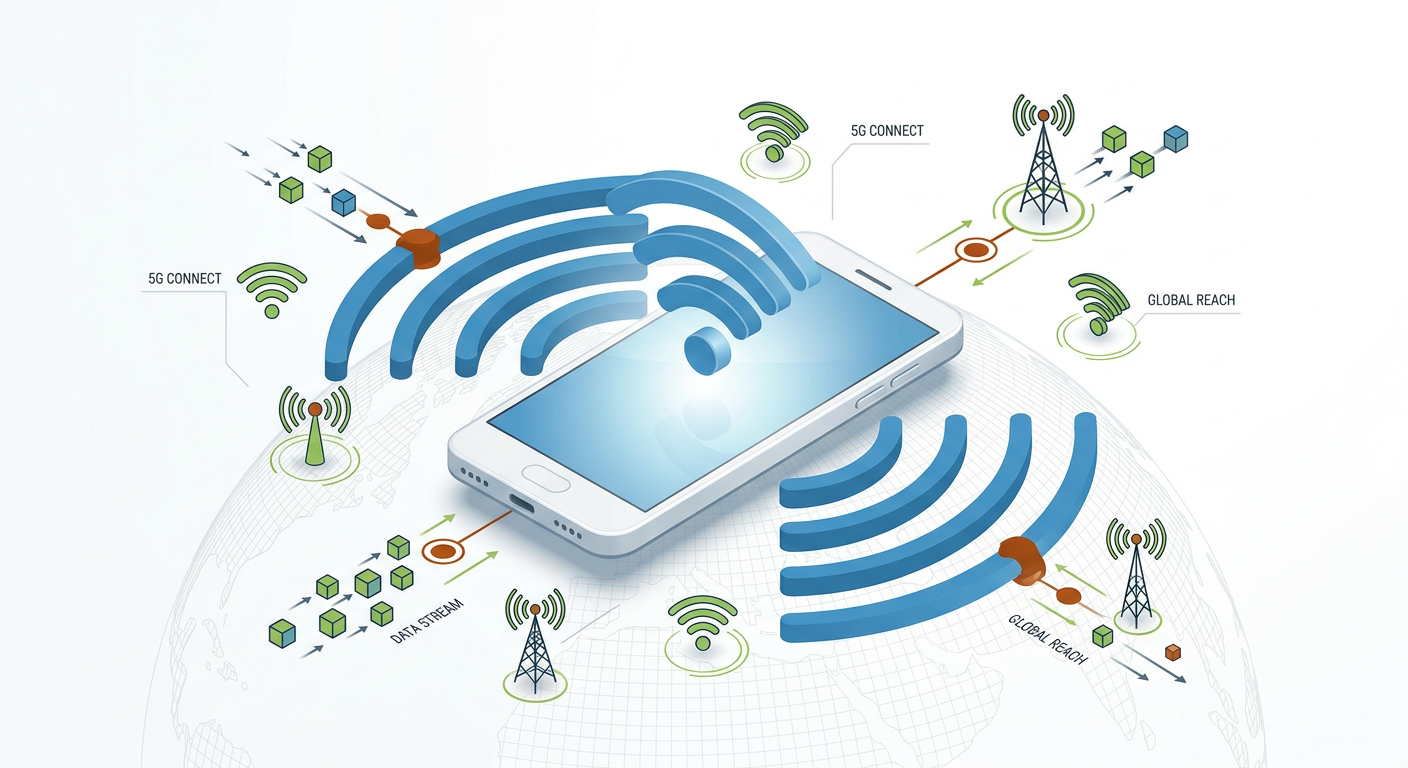
An endeavor from Google to deliver Internet for the world through connected balloons. Project Loon, which began about four years ago and has been tested over New Zealand and California among other spots, wants to place “floating cell towers in the sky,” and provide connectivity to parts of the world that are living without.

The high-altitude balloons are made of polyethylene plastic and float above earth in the stratosphere — far enough to avoid contact with airplanes and birds, but close enough to pick up on cellular spectrums. They travel through wind patterns, directed by algorithms to areas in vital need of connectivity. Signals are passed through the balloons and “beamed” down to dark parts of the earth, like much of Africa. Google announced that its latest round of tests showed a balloon staying afloat, going around the world, and transmitting communications for up to 6 months. They are now working with carriers around the world to enable connectivity everywhere.

While a variety of free-Internet ventures have popped up (Facebook’s Internet.org and companies like FreedomPop), their impact hasn’t yet been shown. Privacy and blocking of content are also concerns, as the politics of different nations allow and disallow different things. Starting with giant tech companies (like Google an Facebook) that aren’t necessarily known for their privacy standards also makes some wary.

There’s no official launch date for the Loon project, but the creating team seems confident in it’s progress.

What the Tech?! Google Inbox

googleinbox
  • Yapp explains Google Inbox and why it mattered as a product and workflow concept.
  • The post offers a quick look at a notable tech product in a simple, readable way.
  • Readers interested in productivity and consumer tech tools will benefit most from this article.

Google Inbox, n;

A new email app from Google that integrates reminders, alerts, reservations, and other Google-based web functions into your inbox. Inbox is built off of Gmail, the widely-used free web email service from Google. 

Continue reading →

What the Tech?! Android L

Quick Summary

  • Yapp explains Android L and why the update mattered in the mobile tech world.
  • The post gives readers a short, approachable summary of a major Android development.
  • Readers interested in mobile operating system news will benefit most from this article.

Android L

Android L, n;

Google’s forthcoming update to the Android operating system, which includes a new design that will run universally on all Android devices. Google introduced Android L — still code-named pending it’s dessert-themed name — at last week’s I/O developer conference and are rolling out the design in the fall on Nexus phones and Android wear smartwatches.

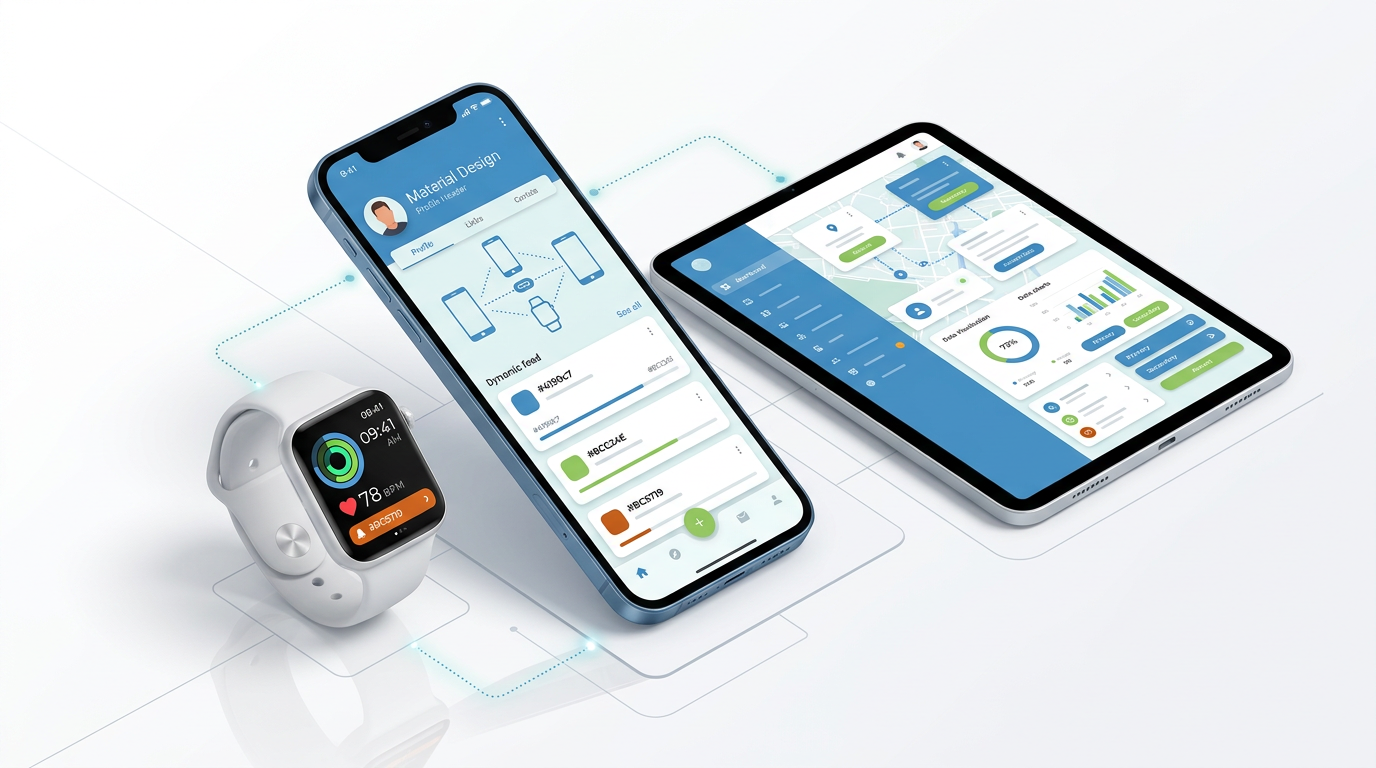
On first glance, Android L will look cleaner and more modern with it’s revamped material design. It feels similar to the design we know of Google already, with a few slight tweaks. Bright colors, flat boxes, slight shadows, and friendly circles will run universally on Android phones, wearables, and other softwares (like Android Auto and Android TV). This is the first step toward a more universal Android system, making it easier for all of your devices to communicate and work at their best all the time.

Notifications are also being revamped, showing now on the lock screen rather than only in a pull now panel. The system is responsive, so it will learn your app habits (what you read, what you respond to) and organize your notifications. You’ll also be able to interact with notifications while in other apps, making multi-tasking all the more possible. On that note, you’ll be able to access specific web tabs as well as apps in your multi-tasking menu, making it easier to interact with specific information between the web and native apps.

Battery life will get better, apps will better communicate with each other, and devices will be connected. You can read more about Android L from TechRadar here.

9 Things to Know after Google I/O’s Keynote

Quick Summary

  • Yapp recaps nine key takeaways from the Google I/O keynote in a concise, readable format.
  • The post helps readers catch up quickly on important announcements from a major tech event.
  • Readers who want an easy summary of Google I/O highlights will benefit most from this piece.

Google I/O

Today, June 25, was the kickoff of Google’s annual developer conference, I/O. The nearly three-hour keynote featured a ton of updates on Google, Android and Chrome. We rounded up the top 10 below. Read about all of the updates over at The Verge. Continue reading →

What the Tech?! Google I/O

Quick Summary

  • Yapp explains Google I/O and why the event matters in the broader technology landscape.
  • The post gives readers a simple overview of a major developer and product announcement event.
  • Readers interested in big tech conferences and product news will benefit most from this article.

Google IO

Google I/O, n;

Google’s annual developer conference focusing on the advances in the company’s softwares and devices. The “I” stands for input and the “O” stands for output. It is a conference similar in spirit to Apple’s Worldwide Developer Conference, both of which involve high-profile keynotes alongside developer hacking sessions.

This year’s I/O conference begins tomorrow, June 25, and the keynote from Google is expected to be full of new gadgets and technology updates. Many are speculating about new wearables (called Android Wear), including smart watches and fitness bands, as well as updates for the now-public Google Glass. There could also be a new operating system for Android, either with small updates or a fairly large visual and functional overhaul to compete with iOS 7 and 8.

Considering all the different soft and hardware Google has in its arsenal (Android, Chrome) and its futuristic experimental projects (Tango, Ara, Loon), the keynote is sure to be jam-packed with exciting updates. You can keep up with I/O through The Verge’s live blog or on Google’s dedicated site starting at 9:00a Pacific.

What the Tech?! Project Ara

Quick Summary

  • Yapp explains Project Ara and why modular smartphones were an exciting tech concept.
  • The post gives readers a simple overview of a bold mobile hardware idea without technical overload.
  • Readers interested in smartphone innovation and future device design will benefit most from this article.

Project Ara


Project Ara, n;

A Google initiative to introduce affordable, build-your-own smartphones. The phones are built by the owner from a selection of modules that click together and allow each handset a unique identity. The project — which hopes to bring modern smartphone technology to the each of the world’s six billion people —  was initially started by Motorola’s Advanced Technologies and Projects team (the same guys working on Project Tango), which is now a part of Google’s Android division. Continue reading →

What the Tech?! Project Tango

  • Yapp explains Project Tango and why spatial technology was getting attention in mobile innovation.
  • The post gives readers a quick look at a more experimental Google tech initiative.
  • Readers interested in mobile hardware and future tech concepts will benefit most from this explainer.

Google’s Project Tango experiment made a surprise appearance at the Mobile World Congress this week. It is not a tango-ing robot (but they should make that, just for kicks).

What the Tech?! Project Tango
Project Tango
, noun;
An experimental Google smartphone with a number of cameras and vision sensors that can create 3D maps of the spaces surrounding it. Tango was announced earlier in February, and the physical prototype was unveiled at the Mobile World Congress this week. The device has sensors that read the room with hundreds of thousands of measurements per second to create functional 3D models in real-time. It’s similar to the technology NASA used on the Mars Rover to map the Red Planet, but optimized for your smartphones.

Continue reading →

11 Best Blogs to Follow About Mobile

Mobile Blogs
  • Yapp rounds up blogs worth following for readers interested in mobile apps and app-related trends.
  • The post helps readers discover useful sources for ideas, updates, and industry perspective.
  • App creators and mobile enthusiasts will benefit most from this reading list.

There are a ton of great blogs to follow for all things mobile. We spend a ton of time reading a ton of different blogs to keep up on the trends and movements in the mobile world. Some, you get tired of. This list is full of blogs we come back to and love to read every day, and are ranked in no particular order. Let us know in the comments if there’s one we’re missing!

Continue reading →

What the Tech?! Google Glass

Google Glass
  • Yapp explains Google Glass and why wearable computing captured so much attention.
  • The post gives readers a quick look at an ambitious product in approachable language.
  • Readers interested in wearable tech and digital innovation will benefit most from this article.

These wearable gadgets have been around for a while now, but the hype hasn’t died down. What are they all about?

Google Glass, n;
A wearable computer system that adds a display to your daily vision. With it, you can view the time, date, weather, traffic information, all without using your hands. You can’t buy Glass quite yet — it’s only available for Glass Explorers and chosen developers — but it’s rumored to become available sometime this year.

Basically, it’s like your smartphone (but likely smarter) and it’s on your face. You can take pictures of the sunset to post to Facebook by winking. You can find the road less travelled with a map overlaid on the fork in front of you. It’s mainly controlled by voice and gesture commands, which means eventually, everyone could be talking to their headsets instead of staring down at their phones.

Glass’ basic premise builds on “augmented reality.” It adds a layer of context to the time of day, your location, or the connected gadgets nearby to keep a running feed of what’s important to you in your eyeline (literally). It runs on apps, just like your phones and tablets. Google Now — a cards-centric app that Google uses to remind you of appointments, tell you what’s happening nearby, and when you should leave to make your 2:00 meeting — will be less avoidable when it chirps in your face. Your favorite social networks will likely be available (if they aren’t already) on Glass by the time it’s ready for general purchase. There are also tons of other cool apps being developed specifically for Glass, like this one from a North Carolina firefighter that will help his firefighting colleagues stay safe or OpenGlass, which wants to help the blind and visually impaired.

Who knows how Google Glass will be received once the public gets its’ hands on it, and what other uses will emerge.