Author Archives: Yappie

Boost Employee Engagement with an Internal Conference App

  • Yapp explains how an internal conference app can turn company meetings into stronger employee engagement moments.
  • Push notifications, polls, content hubs, and analytics help employees participate instead of just sit through sessions.
  • HR, internal comms, and leadership teams running trainings or internal events will benefit most from this approach.

Why employee engagement is harder than ever

Hybrid work, busy schedules, and scattered communication channels make it tough for companies to keep employees engaged. Meetings and conferences are supposed to fix that, but too often, they feel like passive presentations instead of true connection points.

That’s where an internal conference app changes the game. By giving employees a mobile hub for agendas, updates, and interactive tools, companies are transforming one-off meetings into engagement engines.

One Yapp teammate put it simply: “When employees feel included, informed, and recognized, engagement stops being an HR metric—it becomes part of company culture.”

Engagement today requires flexibility, immediacy, and participation. Employees no longer want to be talked at—they want to be part of the conversation. And the organizations that provide those opportunities build stronger, more connected teams that perform better and stay longer.

What happens when engagement tools fall short?

Traditional methods—emails, paper agendas, and intranet portals—just don’t cut it anymore. The challenges are clear:

  • Information gaps: Remote or field employees miss key updates.
  • Low interaction: Employees sit through sessions instead of contributing.
  • Inconsistent messaging: Different teams walk away with different takeaways.
  • Rising costs: Printing and outdated platforms eat into event budgets.

Verizon felt this pain during large-scale training. With hundreds of employees across regions, their events lacked real-time communication. By shifting to Yapp, they built conference apps that cut costs by 10% while improving participation through live updates, photo sharing, and push notifications.

Cole Haan faced a similar challenge—but on the retail side. Store associates weren’t engaging with HQ updates through email or intranet. By creating an internal communication app with Yapp, they delivered consistent updates, improved collaboration, and aligned store teams nationwide.

As detailed in our guide to transforming internal communication, mobile-first platforms drive higher adoption and stronger engagement than traditional systems.

How do internal conference apps boost engagement?

A mobile event app built for internal events bridges the gap between communication and connection. It turns static meetings into interactive, shared experiences that fuel participation.

Here’s how it works:

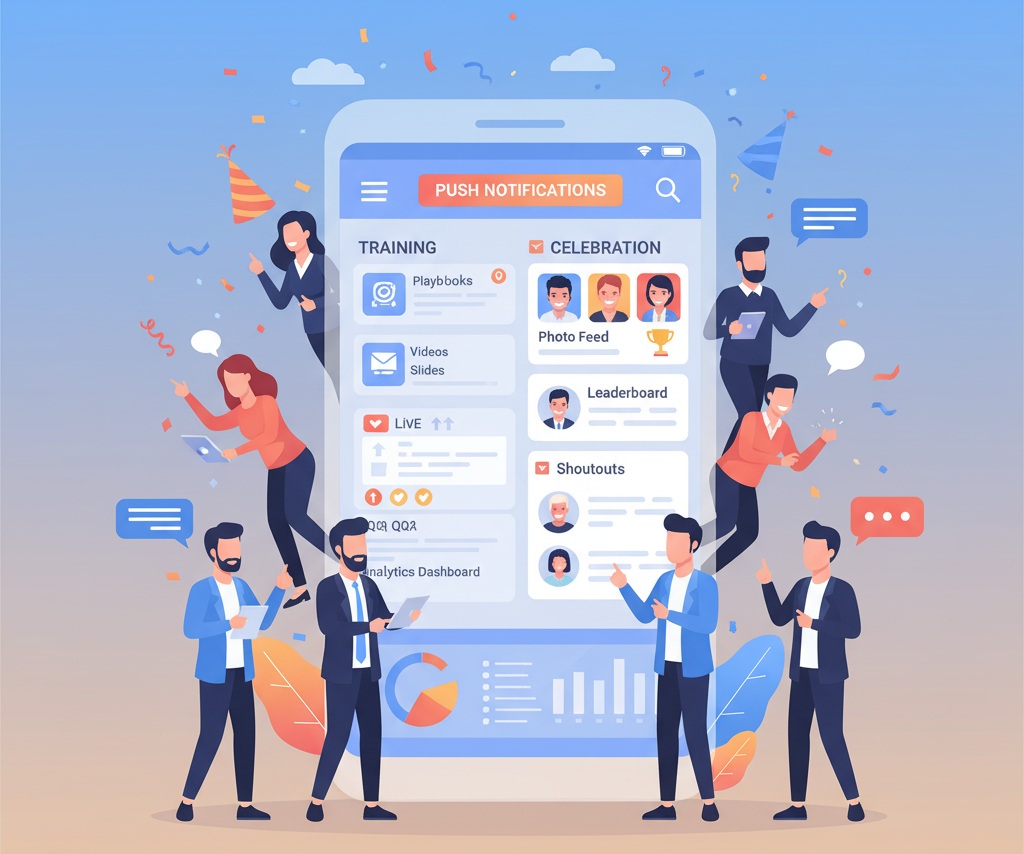
  • Push notifications: Keep employees aligned in real time.
  • Interactive polls and Q&A: Turn passive attendees into active participants.
  • Content hubs: Store presentations, policies, and videos employees can access anytime.
  • Photo feeds and social walls: Build community energy across teams and departments.
  • Analytics: Show which sessions and content actually drive engagement.

These tools make every employee feel like part of the action. When someone in a remote office can instantly share ideas or react to a keynote moment, engagement becomes authentic—not forced.

A Yapp employee described it best: “The difference between an event and an experience is interaction. When employees can participate, they connect—and that’s where engagement sticks.”

It’s not just about digital features—it’s about emotional connection. Employees who see their contributions recognized on a live feed or their ideas voted on in real-time polls feel ownership in the company’s success. That emotional buy-in is what turns attendance into advocacy.

And with analytics, leaders can now quantify that engagement. Data reveals which sessions inspired conversation, which content drove the most reactions, and which employees are stepping up as internal champions. That visibility helps HR and leadership refine messaging and replicate success across future events.

How to roll out your own internal conference app

If you’re ready to turn your employee events into engagement drivers, here’s your roadmap:

  1. Define your objectives — Clarify the purpose of the event. Is it training, recognition, or culture-building?
  2. Launch early — Share speaker intros, session previews, and networking opportunities before the event begins.
  3. Engage during — Use polls, quizzes, and photo feeds to keep the energy high.
  4. Extend after — Store session recordings and send post-event recaps to maintain momentum.
  5. Measure and adapt — Use app analytics to refine content and continuously improve employee experiences.

Verizon and Cole Haan both proved that engagement doesn’t stop when the event ends. With Yapp, their conference apps became year-round communication tools—helping teams stay informed, connected, and inspired long after the last keynote.

Leaders play a key role here too. When executives actively post updates, share appreciation, or join app discussions, employees feel seen from the top down. This transparency builds trust and reinforces the idea that communication flows both ways.

The result? A stronger sense of unity across departments and geographies—and a lasting lift in morale that outlives the event itself.

Rethink employee engagement

The future of internal events isn’t about bigger budgets or fancier venues—it’s about smarter, more human tools. An internal conference app transforms company gatherings into dynamic, two-way experiences that extend beyond the event itself.

By centralizing communication, amplifying voices, and celebrating success, you’ll create a culture where engagement is effortless. These apps give organizations something priceless: real-time connection and long-term loyalty.

And because Yapp is a no-code platform, your team can launch a custom internal app in minutes—no IT department, no complex rollout, no hidden costs. Its engagement was simple.Don’t just run meetings—build engagement that lasts.

Create your internal app today and see how Yapp can turn every company event into a connected, inspiring experience.
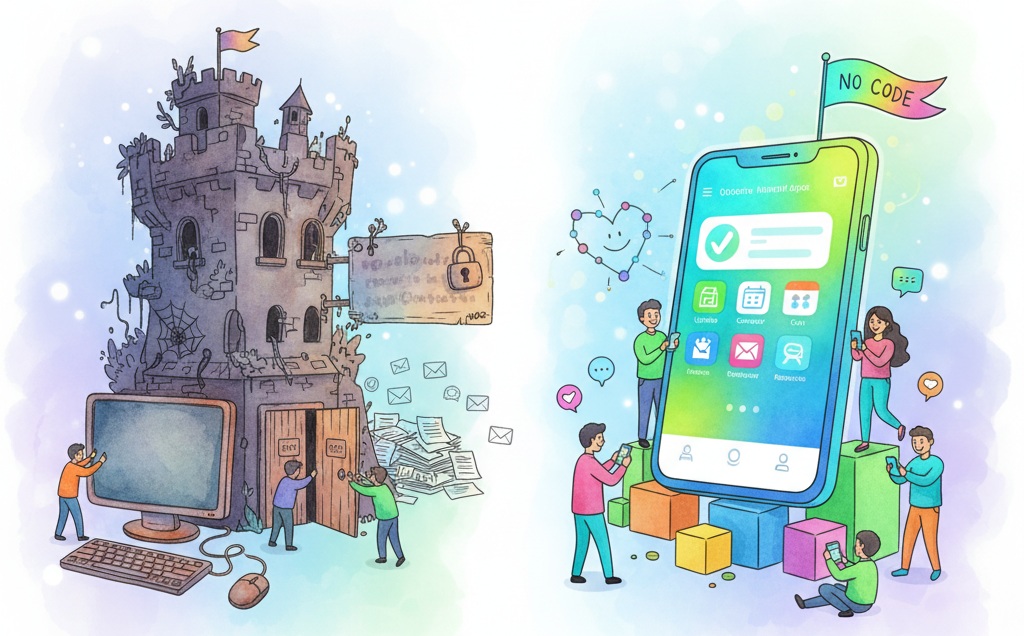
Why Traditional Intranets Fail — And How Internal Apps Fix It

  • Yapp explains why traditional intranets often feel clunky, outdated, and underused by employees.
  • Internal apps improve reach and usability by delivering updates, resources, and communication in a more mobile-friendly way.
  • Organizations struggling with adoption, information gaps, or stale internal platforms should start here.

Why do intranets miss the mark?

Intranets were once the gold standard for internal communication—a single place for employees to find updates, policies, and documents. But let’s be honest: most intranets today are clunky, outdated, and rarely used.

Employees expect the same seamless, mobile-first experiences at work that they enjoy in their daily lives. Instead, they’re met with buried logins, confusing navigation, and stale content. The result? Missed updates, disengagement, and frustration.

One Yapp teammate summed it up perfectly: “If employees need a password they don’t remember and a desktop to access it, they won’t use it. And if they won’t use it, it fails.”

The truth is, intranets were built for a different era—when employees sat at desks, worked nine-to-five, and checked internal portals regularly. Today’s workforce is mobile, hybrid, and expects on-demand access to information. Traditional intranets can’t keep up.

Worse, they’ve become digital filing cabinets instead of communication engines. When information is buried in endless links or outdated folders, employees stop searching altogether. The more complicated the system, the faster engagement drops—and the harder it becomes to rebuild trust in internal communication.

What happens when intranets fail?

When intranets stop working, communication breakdown follows. The consequences show up in every department:

  • Low adoption: Tools only drive value if people actually use them.
  • Information silos: HQ stays informed while field teams are left guessing.
  • High costs: IT teams waste time maintaining outdated systems.
  • Disengaged employees: When tools feel irrelevant, staff stop listening altogether.

Take Cole Haan, for example. Their retail workforce struggled to stay connected to HQ. Associates weren’t checking the intranet, missing critical campaign updates and training materials. Information was fragmented across email chains and paper memos.

By shifting to a mobile-first internal app built with Yapp, Cole Haan replaced confusion with clarity. The new app became the go-to hub for updates, resources, and training—something employees actually wanted to use. Within weeks, engagement and consistency across stores skyrocketed.

As explained in our guide on transforming internal communication, companies that go mobile report faster adoption, higher satisfaction, and lower communication costs.

How do internal apps fix communication gaps?

Replacing the intranet with a mobile event app or internal communication app solves problems that traditional systems can’t. These apps provide an intuitive, mobile-first experience built around accessibility and engagement—not complexity.

Here’s how internal apps fill the gaps:

  • Instant access: No clunky logins or VPNs—just tap and go.
  • Push notifications: Time-sensitive updates reach everyone instantly.
  • Personalization: Tailor content to departments, roles, or locations.
  • Interactivity: Use polls, Q&A, and social feeds for two-way communication.
  • Scalability: Start with one team and expand organization-wide.

These features transform communication from static to dynamic. Instead of sending one-way messages, leaders can spark conversation and collaboration.

A Yapp teammate explained it this way: “The magic isn’t just replacing the intranet—it’s creating an app employees actually want to open.”

That engagement drives adoption, which drives impact. When teams consistently access updates and training on a platform they enjoy using, communication becomes part of their daily workflow.

And it doesn’t stop there. Internal apps provide real-time analytics—showing who’s engaging, what content performs best, and where communication gaps still exist. Leadership teams gain insights they never had with intranets buried behind IT walls. Instead of guessing what employees read, they know.

What’s the path forward?

The future of internal communication is mobile, flexible, and human-centered. Instead of clunky portals built for IT, companies are turning to platforms employees love to use.

Cole Haan’s transition to Yapp is a perfect example. Their internal app consolidated everything—from campaign materials and training videos to store announcements—into one branded hub. Store managers could access content on the floor, share feedback, and celebrate team wins, all from their phones.

The results were immediate: stronger brand alignment, faster training rollout, and higher employee morale. Teams that once felt disconnected now felt part of a unified mission.

And Cole Haan isn’t alone. Many organizations—spanning retail, education, and enterprise—are replacing traditional intranets with internal communication apps to streamline operations and connect distributed teams.

The data backs it up: companies using mobile-first internal communication see up to 3x higher engagement than those relying on intranets. That’s not just better communication—it’s better business.

An internal app also fosters transparency. Employees see leadership updates in real time, recognize achievements across departments, and feel included in company growth. It’s more than a digital shift—it’s a cultural one.

Stop settling for broken intranets

Your intranet shouldn’t be a graveyard for outdated PDFs and forgotten posts. Employees deserve a tool that matches how they actually work—mobile, intuitive, and immediate.

Stronger communication builds stronger teams. An internal app doesn’t just replace the intranet—it creates a culture of clarity, connection, and collaboration.

Ready to make the shift? With Yapp, you can build your own communication app in minutes—no coding, no IT bottlenecks, no frustration.

Start your free trial and see why forward-thinking teams are replacing intranets with Yapp’s simple, mobile-first platform.

The Secret to Stronger Internal Communication: Build Your Own App

  • Yapp shows how building your own internal communication app can solve common communication breakdowns.
  • A mobile-first app improves reach, speed, and consistency while reducing dependence on fragmented tools.
  • Teams that need clearer communication across departments, locations, or work styles will benefit most.

Why do internal communications so often fall short?

Every organization knows communication is the backbone of culture. Yet most companies still rely on the same outdated mix of email blasts, bulletin boards, and intranet portals that employees rarely check. The result? Missed updates, disconnected teams, and mounting frustration.

Internal communication becomes even harder as companies scale or shift to hybrid work. Leaders need tools that are fast, consistent, and engaging—without adding layers of complexity.

One Yapp teammate put it plainly: “Email isn’t cutting it anymore. Employees expect the same seamless, mobile-first experience inside the company that they have everywhere else.”

That expectation is reshaping how organizations think about communication. The modern workforce wants updates where they already live—on their phones. And that’s where an internal communication app becomes the game-changer.

What happens when communication breaks down?

When communication tools fail, the impact ripples across the organization:

  • Missed messages — employees skip meetings or miss crucial updates.
  • Uneven information flow — field teams stay in the dark while HQ remains informed.
  • Lower engagement — staff tune out communications that feel cluttered or irrelevant.
  • Increased costs — printing, mailing, or managing multiple tools drains budgets.

Cole Haan experienced this firsthand. With retail associates spread nationwide, HQ struggled to maintain consistency. Some stores relied on outdated email chains; others waited for printed handouts that quickly went stale.

By adopting Yapp, Cole Haan built an internal app to centralize announcements, training modules, and campaign highlights. Employees reported clearer communication, stronger alignment, and a renewed sense of inclusion. One store manager noted that “for the first time, everyone’s on the same page—literally.”

And as outlined in our guide to transforming internal communication, going mobile leads to higher engagement, faster adoption, and fewer missed messages.

Why building your own app changes everything

Here’s the secret: you don’t need a massive budget or custom software to transform communication. With a mobile event app platform like Yapp, you can create an internal communication hub in minutes—no coding required.

This approach lets teams design a branded, centralized space for company updates, documents, and culture-building—all on employees’ mobile devices.

Benefits include:

  • Centralized hub: One app for schedules, updates, and resources that employees can access anytime.
  • Push notifications: Instant alerts cut through inbox clutter and keep everyone aligned.
  • Personalization: Tailor content by department, role, or region for more relevant updates.
  • Interactive features: Polls, Q&A, and photo sharing make communication two-way, not top-down.
  • Scalability: Start small, then expand across departments or regions as adoption grows.

A Yapp teammate explained: “When leaders realize they can build their own app without IT or outside vendors, communication stops being a headache—it becomes a strategic advantage.”

That shift is what modern companies are embracing. Instead of juggling scattered tools, they’re bringing all communication into one central, accessible hub.

How to start building your own communication app

If you’re ready to level up your internal communication, here’s a step-by-step roadmap:

  1. Define your goals — Are you solving slow updates, low engagement, or inconsistent messaging? Clarity drives adoption.
  2. Choose the right platform — Look for no-code event app tools that double as internal apps. Yapp gives you drag-and-drop flexibility with enterprise reliability.
  3. Start with a pilot — Launch with one team or region. Gather feedback and track usage to refine before scaling.
  4. Add interactive elements — Use polls, feedback forms, and discussion boards to spark engagement.
  5. Scale and iterate — Expand to more teams, measure adoption, and evolve your content strategy quarterly.

Cole Haan followed this model successfully. What began as a small pilot quickly became the central hub for communications company-wide. Whether it was a new product launch or an HR update, every associate—from New York to Los Angeles—received the same information at the same time.

That’s the power of an internal app—it unifies voice, message, and experience.

The impact of going mobile

Companies that invest in mobile-first internal communication see measurable improvements in alignment, engagement, and employee satisfaction. When updates live in one app, employees can find what they need fast.

It’s not just convenience—it’s culture. Real-time connection keeps teams motivated and informed, especially in hybrid or distributed settings.

Another Yapp teammate summed it up: “We’ve seen companies go from cluttered inboxes to thriving communities in a matter of weeks. Once employees feel included and informed, everything changes.”

That inclusion translates directly to performance. When everyone—from field staff to executives—shares one mobile hub, silos disappear. Projects move faster, morale improves, and leadership gains visibility into communication trends through app analytics.

Why this moment matters

We’re living in an age where information moves faster than ever. Companies that cling to outdated tools will always lag behind. But those that empower employees through simple, mobile-first communication will lead.

An internal communication app doesn’t just solve for missed memos—it reshapes how teams interact, celebrate, and collaborate. It builds transparency. It builds trust.

And as seen in organizations like Cole Haan, Schools That Can, and Verizon, the ROI of strong communication is tangible. Less confusion. Faster updates. More connected teams.

The future of internal communication isn’t another platform—it’s one, unified app.

Ready to strengthen your internal communication?

Strong communication isn’t a luxury—it’s a necessity. With Yapp, you can build your own internal app in minutes, unify your workforce, and give employees the clarity they deserve.

Start your free trial and see how easy it is to transform communication from noise into alignment.

From Planning to Pitching: Why Event Apps Are a Secret Weapon for SKOs

  • Yapp explains why event apps help sales kickoffs keep momentum going long after the live event ends.
  • A mobile app connects vision, communication, and follow-up so kickoff energy does not fade into email overload.
  • Sales leaders planning SKOs that need stronger alignment and lasting impact will find this especially useful.

A sales kickoff (SKO) isn’t just a meeting — it’s a momentum-builder. It’s where vision meets motivation, where leadership sets the tone, and where sales teams recharge for the year ahead. But too many companies focus on logistics — the agenda, the slides, the speakers — and miss the bigger picture: how do you keep that energy alive after the event ends?

Without the right digital tools, kickoff enthusiasm fades fast. Paper schedules get lost. Post-event emails pile up. Reps return to their territories, and that shared sense of purpose evaporates. That’s why forward-thinking organizations are turning to an event app as their SKO secret weapon — the bridge between inspiration and sustained performance.

One of our own teammates summed it up perfectly: “The kickoff should be the spark. The app keeps the fire burning long after the event.”

Where do SKOs fall short without digital support?

Planning is only half the battle. Once the lights go down and the banners come down, teams need structure to keep momentum going. Without a mobile-first solution, companies struggle with:

  • Fragmented communication: Attendees rely on scattered emails and Slack threads that disappear within hours.
  • Lost engagement opportunities: There’s no simple way to capture live feedback, spark conversations, or highlight big wins.
  • Inconsistent follow-through: Reps leave excited but lack a central hub for continued learning and updates.
  • High costs: Printing glossy agendas and sponsor flyers adds up fast, especially when changes happen minutes before showtime.

Verizon knows this story well. Before using Yapp, their regional trainings were paper-heavy and slow to update. After adopting Yapp, they built nearly eight mobile event apps per year, reduced costs by 10%, and gave employees real-time access to resources, schedules, and training. As one Verizon team lead put it, “Our people no longer wait for updates — they open the app and instantly know what’s next.”

And they’re not alone. Uncubed, a digital skills conference, cut more than $100,000 in event costs with Yapp while keeping over 5,000 attendees informed and engaged. When engagement meets accessibility, the payoff is enormous.

How do event apps transform SKOs into long-term wins?

A mobile event app is far more than a digital agenda. It’s a dynamic content hub that turns a one-time kickoff into an ongoing sales enablement tool. Here’s how the best teams use it:

  • Centralized content hub: Store playbooks, product sheets, and recorded sessions so reps can access them anywhere, anytime.
  • Personalized schedules: Tailor tracks for new hires, top performers, or managers to make every session count.
  • Interactive features: Live polls, quizzes, and photo feeds transform attendees into active participants.
  • Recognition and motivation: Push notifications spotlight achievements and reinforce key priorities throughout the year.
  • Data-driven insights: Engagement analytics show leaders what content resonates and where to double down.

As one Yapp teammate shared, “When SKO apps evolve into daily sales tools, that’s when leaders see real ROI. It’s not just an event — it’s an ecosystem.”

That ongoing engagement is exactly why our guide to streamlining event operations emphasizes the need for mobile platforms. Events aren’t isolated moments — they’re opportunities to build lasting culture and consistency across every region.

And the benefits don’t stop with sales. Marketing, HR, and operations teams can all plug into the same event app ecosystem, creating a single source of truth for internal communication. That alignment drives efficiency, keeps messaging consistent, and strengthens culture across distributed teams. When everyone’s connected to the same source, collaboration happens naturally — not just once a year, but every day.

How to leverage an event app from planning to pitching

You don’t need a massive IT team or endless budget to make your SKO unforgettable. Here’s a step-by-step playbook to maximize results:

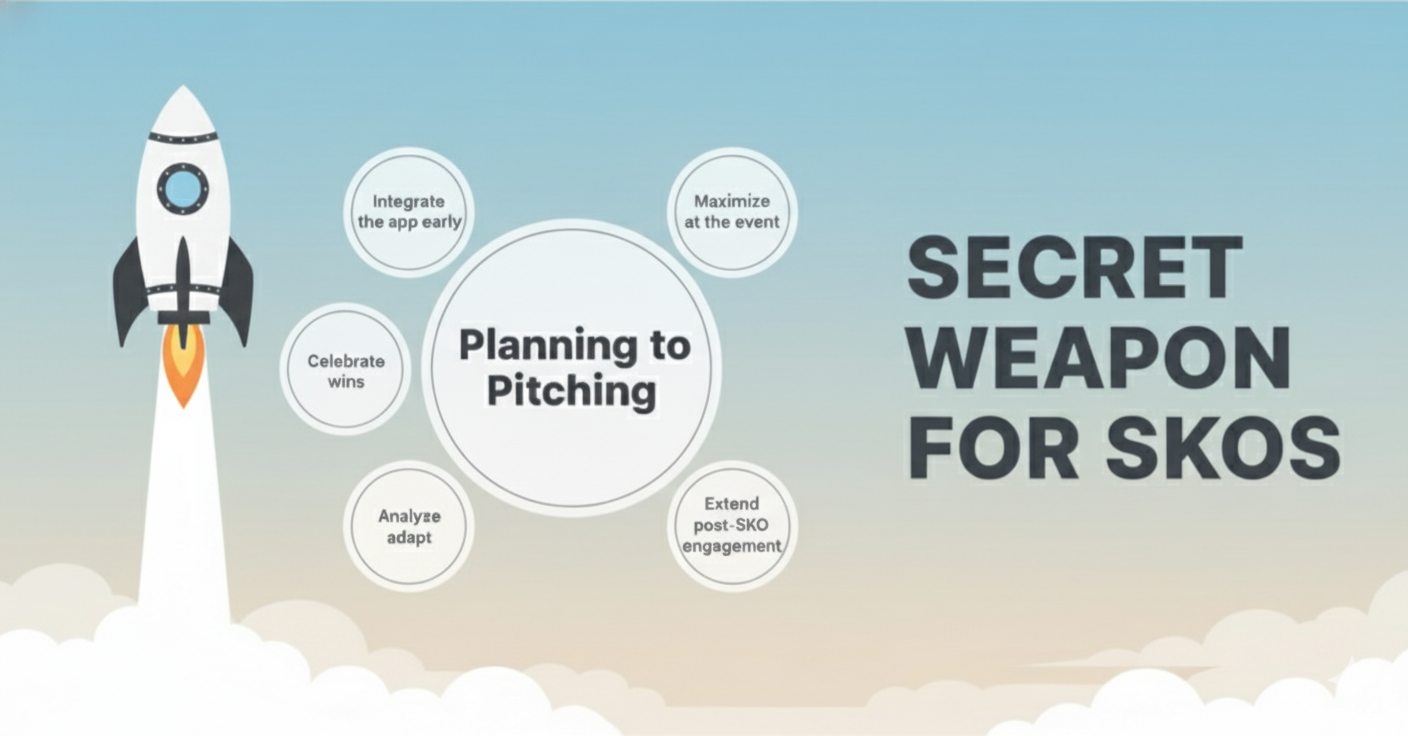
  1. Integrate early: Launch the app weeks before kickoff with sneak peeks, session teasers, and networking tools.
  2. Maximize at the event: Use polls, surveys, and Q&A feeds to boost participation and collect instant feedback.
  3. Extend post-SKO engagement: Upload training modules, goal trackers, and motivational updates to reinforce learning.
  4. Celebrate wins: Use the app’s feed to highlight top performers and share success stories.
  5. Analyze and adapt: Review engagement analytics to fine-tune future SKOs and improve outcomes.

At Yapp, we’ve seen teams turn their SKO app into a year-round sales hub. Verizon’s regional teams did exactly that — transforming their training apps into live communication centers that outlasted the event itself. The results? Faster updates, stronger engagement, and measurable ROI across departments.

And here’s the kicker: because Yapp’s event app builder is fully no-code, anyone can design and deploy their SKO app in under an hour. No developers, no delays — just drag, drop, and publish. That simplicity makes it easier for teams to stay agile, especially when plans change (and they always do).

Turn your SKO into a year-round advantage

Planning a great SKO is just the start. Sustaining that excitement takes connection, clarity, and the right digital tools. By adopting an event app, you’re not just organizing another meeting — you’re building a living resource that empowers your team long after the confetti settles.

Keep your teams aligned, inspired, and ready to pitch. Start building your SKO app today with Yapp’s event app builder.

10 Proven Strategies to Maximize ROI at Sales Kickoffs Using Mobile Apps

  • Yapp shares ten practical ways mobile apps can increase ROI at sales kickoffs.
  • Centralized training, real-time notifications, gamification, recognition, and analytics help teams get more value from every SKO.
  • Sales organizations that want better follow-through, stronger engagement, and clearer measurement should use these strategies.

Why ROI matters more than ever for SKOs

Sales kickoff events (SKOs) are one of the biggest investments a company makes every year. Flights, hotels, venues, content production—every detail adds up fast. And yet, too many SKOs end up as expensive pep rallies with short-lived results.

So how do you turn your SKO into an ROI-driving event that truly impacts revenue and culture? It starts with a mobile event app that unites training, communication, and celebration in one place.

When your teams can engage before, during, and after the event, you stop pouring energy into one weekend and start fueling performance all year.

Verizon proved what’s possible. By replacing paper-heavy processes with Yapp, they cut event costs by 10% while scaling from two to nearly eight training and SKO apps annually. That’s not just engagement—that’s measurable ROI.

A Yapp teammate summed it up perfectly: “When you put the right tools in your team’s hands, the kickoff doesn’t end when the stage lights go down—it’s just beginning.”

10 ROI-Boosting SKO Strategies

1. Centralize all training content

Upload playbooks, sales scripts, and product videos directly into your event app. Reps can revisit sessions anytime, ensuring consistent knowledge across teams. It eliminates wasted time digging through emails and PDFs.

2. Personalize schedules for relevance

Allow attendees to customize their agendas. New hires, frontline reps, and managers each get content that matters to them. Personalization keeps engagement high and helps everyone feel the SKO was built for them.

3. Use real-time notifications

Push notifications keep everyone in sync. Remind reps of key sessions, celebrate milestones, and broadcast updates instantly. It’s an effortless way to reinforce goals and prevent confusion.

4. Capture live feedback instantly

Built-in polls and surveys let you gauge what resonates most. Use that data to improve not just this SKO—but every future event. Yapp’s analytics give real-time insight into what content actually sticks.

5. Turn engagement into community

When employees share photos and insights inside the app, it transforms SKOs from events into shared experiences. Verizon reps posted hundreds of photos at training events, building energy and camaraderie across regions.

6. Extend the SKO beyond the event

Keep the momentum going with ongoing training modules, leadership messages, and contests throughout the year. As one Yapp teammate said, “The SKO is the spark. The app is what keeps the fire going.”

7. Recognize achievements publicly

Celebrate top performers in-app with shoutouts or digital badges. Recognition drives motivation and reinforces company culture—without waiting for the next event.

8. Boost sponsor and partner visibility

If sponsors help fund your SKO, give them digital exposure with banners, dedicated pages, or push notifications. You’ll boost partner ROI and offset costs without clutter or printing.

9. Use gamification to sustain energy

Turn training into friendly competition with quizzes, polls, and leaderboards. Teams love it—and you’ll reinforce product knowledge in a way that’s actually fun.

10. Track analytics to measure ROI

You can’t improve what you don’t measure. Track session attendance, content views, and engagement metrics to prove your SKO’s impact. Data makes your next event even stronger.

How to put these strategies into action

Implementing these ideas doesn’t take a six-figure budget or a custom-built app. Platforms like Yapp let you launch a fully branded SKO app in under an hour.

That’s why teams like Verizon and Uncubed made the switch. Uncubed used Yapp for large-scale conferences and saved more than $100,000 annually while improving attendee engagement.

A Yapp teammate who supports customer onboarding shared: “Most companies don’t need new software—they need a smarter way to connect their people. Yapp helps them do that without adding complexity.”

You can find more on this in our guide to increasing internal event engagement. The highest ROI doesn’t come from flashy venues—it comes from tools that extend your event’s value long after the closing keynote.

The real ROI comes when leadership embraces the app as a communication channel. When executives post short updates, celebrate wins, and reinforce company goals year-round, the SKO becomes a launchpad for cultural consistency. Reps stop seeing it as a one-time pep talk and start viewing it as the heartbeat of the organization. That’s when retention, engagement, and sales all rise together.

And here’s the next evolution: data-led collaboration. When marketing, HR, and sales leadership share the same engagement analytics, the SKO stops being a siloed event—it becomes a cross-functional performance tool. You can see which sessions drive behavior change, which teams interact most, and where additional training is needed. That’s how companies like Verizon and Schools That Can continuously improve, transforming events from moments of motivation into measurable growth engines.

Maximize your SKO ROI with mobile apps

Your SKO shouldn’t just inspire—it should deliver measurable business results. With a mobile event app, you’ll reduce costs, increase engagement, and empower teams to carry that kickoff energy all year.

When training, celebration, and communication live in one place, you’re not just hosting an event—you’re building a culture of performance.Unify your workforce with one app.

Start your free trial and make your next SKO your best investment yet.

The Future of Sales Kickoffs: Blending Training & Celebration with Event Apps

  • Yapp explains why modern sales kickoffs need to combine learning, motivation, and celebration in one connected experience.
  • Event apps help make training stick while keeping energy high through better communication and engagement.
  • Sales teams that want more effective, modern SKOs will benefit from this model.

Why are SKOs stuck in the past?

Sales kickoff events (SKOs) are supposed to inspire, align, and energize your team. But too often, they fall into a tired pattern: endless slides, rigid agendas, and an overload of information that doesn’t stick. Teams walk away fired up—only to lose steam weeks later.

The real issue? SKOs lean too hard on either training or celebration, rarely both. When training dominates, the event feels like boot camp. When celebration takes over, reps leave without tools to meet targets.

As one Yapp teammate put it: “Companies spend months planning SKOs, but if reps can’t remember the content or carry the energy forward, it’s wasted effort.”

We’ve seen this in organizations of every size. The fix starts with using modern tools to keep the energy alive. A mobile event app bridges that gap—giving teams a way to learn, engage, and celebrate long after the kickoff ends.

What happens when SKOs don’t evolve?

Outdated formats create lasting headaches:

  • Low retention — reps forget 70% of what they hear within a week.
  • Fragmented communication — scattered emails and paper schedules leave everyone guessing.
  • High costs, low ROI — printing and last-minute changes drain budgets.
  • Short-lived motivation — the spark fades without sustained follow-up.

Verizon’s experience proves the cost of staying analog. Their regional training once relied on paper-heavy logistics and custom-built tools. Switching to Yapp’s event app cut 10% of costs while giving employees a single mobile hub for both celebration and training resources.

A Yapp employee described it best: “Verizon showed that training and morale don’t have to compete. With Yapp, they amplify each other.”

That’s the kind of evolution SKOs need—fewer binders, more engagement. And it’s not just Verizon. Schools That Can, a national nonprofit, used Yapp to simplify logistics, improve communication, and boost attendee satisfaction by 96%. Whether it’s educators, retail teams, or sales pros, the story repeats: people engage more when the experience is interactive, mobile, and modern.

How do event apps bridge training and celebration?

Here’s how modern event apps change the game:

  • Training made accessible: Upload playbooks, videos, and slides for anytime access.
  • Real-time interaction: Live polls, Q&A, and session feedback keep attention high.
  • Celebration in-app: Photo feeds, shoutouts, and leaderboards recognize wins.
  • Consistent updates: Push notifications keep attendees on track as sessions shift.
  • Actionable insights: Analytics reveal which content truly engages your team.

This blend turns a one-week spark into year-round energy. One Yapp teammate summed it up: “The best SKOs don’t choose between learning and fun—they use apps to merge them.”

You can see this approach echoed in our guide on increasing event engagement—participation soars when learning and interaction go hand in hand.

It’s not about replacing in-person connection; it’s about extending it. When every rep can revisit recorded sessions, scroll through recognition posts, or join polls long after the event, that “kickoff buzz” turns into ongoing momentum. The right app keeps culture alive between SKOs.

What does the future of SKOs look like?

Progressive teams are reframing SKOs as a launchpad for the entire year, not just a kickoff. With a mobile event app, the momentum continues long after the final session.

Here’s the model forward-thinking teams follow:

  1. Before the SKO — Build excitement with speaker intros, pre-event challenges, and quick learning bursts.
  2. During the SKO — Deliver live sessions alongside recognition moments and real-time polls.
  3. After the SKO — Keep the energy alive with in-app celebrations and easy access to recorded training.
  4. Year-round — Turn the app into a central hub for contests, updates, and team shoutouts.

Verizon’s evolution shows what’s possible: from two event apps to nearly eight per year, each driving training, communication, and culture-building.

Another Yapp teammate noted: “Our customers who treat SKOs as a starting line—not a finish line—see measurable boosts in engagement and sales performance.”

The takeaway? Technology doesn’t just make logistics smoother—it deepens connection. Teams who use event apps don’t just meet more often; they grow together faster. Leaders gain a pulse on engagement, content effectiveness, and morale in ways that PowerPoint decks never could.

The future SKO is personal. Reps expect digital touchpoints that match how they already consume content—short, mobile, interactive, and social. The companies that embrace this hybrid mindset aren’t just updating their events; they’re future-proofing their culture. When every kickoff becomes a continuous cycle of learning and recognition, performance becomes a habit, not a once-a-year pep talk.

And the most forward-thinking leaders use these tools beyond SKOs. They’re tracking engagement metrics, sharing real-time feedback, and transforming event data into coaching insights. Instead of guessing who’s tuned in, they know. Instead of sending follow-up surveys, they act on live feedback. It’s not just efficient—it’s human.

Ready to modernize your SKO?

The SKO of the future blends energy and education. With Yapp, you don’t just plan a one-time event—you create a year-long growth engine.

Smarter teams start with smarter tools. Start your free trial and make your next sales kickoff unforgettable.

How to Keep Your Sales Team Engaged Beyond the SKO with a Mobile Event App

  • Yapp shows how a mobile event app can keep sales kickoff momentum alive long after the event wraps.
  • Ongoing training, notifications, peer recognition, and gamified challenges help sustain engagement year-round.
  • Sales leaders who want stronger post-SKO follow-through and better ROI should use this approach.

Why does engagement drop after the SKO?

A sales kickoff (SKO) is pure adrenaline. Teams leave buzzing with motivation, armed with new strategies, and inspired by leadership’s vision. But a few weeks later, that same energy often fades. Without structured follow-up, sales reps revert to old routines, and managers scramble to maintain alignment.

That’s the real challenge—turning SKO inspiration into sustained sales kickoff engagement. Many organizations now rely on a mobile event app to close that gap. Instead of treating it like a one-time event tool, companies are using it year-round to drive learning, recognition, and communication.

One of our Yapp teammates put it best: “The SKO is just the spark. The app is the oxygen that keeps it burning.”

We’ve seen this approach transform companies that once struggled to keep their teams connected. According to our internal engagement analytics, apps that stay active beyond an event see up to 70% higher content interaction than those archived right after. That means longer-term motivation, more collaboration, and a better ROI on every SKO investment.

Our Yapp blog on boosting post-event engagement dives deeper into these numbers—and the common traits of teams that keep their energy alive well beyond kickoff season.

What makes a mobile event app effective beyond the kickoff?

The power of an app isn’t just during the event—it’s what you do afterward. Here’s how the best teams sustain momentum:

  • Ongoing training resources: Upload playbooks, video recaps, and quick-hit tutorials so salespeople can learn on their schedule.
  • Push notifications: Keep focus sharp with short reminders, fresh goals, or peer recognition updates.
  • Peer collaboration: Use discussion feeds and team photo walls to make remote recognition feel personal.
  • Gamified challenges: Monthly contests, micro-goals, or leaderboards keep performance fun and competitive.
  • Analytics and feedback: Identify what content drives the most engagement and refine future training.

When Verizon expanded their use of Yapp from regional events to enterprise-wide engagement, their teams connected more deeply and reduced event costs by 10%. One Verizon event manager told us, “The app became our culture hub. It’s where people celebrate wins, not just shared schedules.”

Another Yapp teammate shared: “We see it all the time—once companies start using their app to celebrate success, engagement skyrockets. It’s not about features; it’s about fostering connection.”

Cole Haan experienced the same outcome. Their employee communication app kept more than 1,000 associates engaged, sharing inspiration and celebrating wins daily. What began as a training platform evolved into a community that strengthened brand pride.

How can you extend SKO engagement step by step?

If you want your SKO impact to last, design it with longevity in mind. A mobile event app can easily evolve into your year-round sales enablement tool. Here’s a simple framework we use with clients:

  1. Keep content fresh. Refresh the app monthly with new learning modules, customer wins, or product updates. Consistent updates keep reps coming back.
  2. Use notifications wisely. Frequency matters—too few and engagement dips; too many and users tune out. Aim for 2–3 per week.
  3. Celebrate wins publicly. Recognition fuels motivation. Use the app to spotlight team milestones, share quotes from leadership, or showcase regional achievements.
  4. Involve leadership. Executives can record short video check-ins to reinforce strategy and celebrate success stories.
  5. Measure and adapt. Check analytics quarterly. What content drives participation? Double down on it.

One Yapp employee described it this way: “Our clients’ biggest breakthrough comes when they stop seeing the app as ‘extra’ and start seeing it as the heartbeat of team communication.”

If you’re managing multiple regions or divisions, this approach compounds. Just like Uncubed, which used Yapp to power eight annual conferences across major U.S. cities, your organization can scale communication without extra cost. Their team saved over $100,000 a year by replacing print materials with in-app communication—and engagement rose in the process.

That’s the same principle you can apply post-SKO: save time, simplify communication, and keep your message consistent across the entire sales org. And when your team knows the app is there for them every day, not just kickoff week, they treat it as an essential part of their workflow—not another tool to forget.

Keep your sales team inspired long after the SKO

The SKO may be your spark, but sustained engagement is the fire that drives results. By extending your app’s life beyond kickoff season, you’re creating an always-on hub for collaboration, recognition, and continuous learning.

At Yapp, we believe great communication shouldn’t end when the event does. It should evolve. Your teams deserve tools that make connection effortless—and your goals deserve the sustained momentum that only consistent engagement delivers.

As one of our product managers said, “We built Yapp so organizations could take the energy from their biggest moments and turn it into everyday action.” That’s what lasting engagement really looks like—small, meaningful connections that compound over time.

Start your free trial today.

Engagement on a Budget: Why Nonprofits Are Turning to Event Apps

  • Yapp shows how nonprofits use event apps to improve engagement without stretching already tight budgets.
  • Mobile apps reduce printing costs, simplify updates, and add interactive features that boost mission-focused participation.
  • Nonprofit teams running forums, galas, retreats, or volunteer events will find this especially useful.
How can nonprofits make engagement affordable and effective?

Nonprofits are masters at doing more with less. But when it comes to hosting events — from annual galas to volunteer retreats — even the most mission-driven teams can hit a wall. Printing hundreds of programs, reprinting them after a schedule change, and coordinating dozens of moving parts can quietly drain funds that should fuel impact.

That’s why more organizations are choosing event app solutions like Yapp’s mobile event app. These digital tools replace paper programs and email chaos with one sleek app that keeps everyone informed and connected. Instead of juggling logistics, nonprofit teams can focus on what matters most: engagement and mission.

“We love showing nonprofits that technology doesn’t have to be expensive or intimidating,” mission.”

For example, Schools That Can — a national education nonprofit — used Yapp to modernize its annual forum. They cut 2,700 sheets of paper and achieved a 96% satisfaction rate from attendees. The ability to send real-time notifications and store all logistics in one place turned what used to be a planning maze into a smooth, sustainable experience.

It’s the same story across the nonprofit world: leaner budgets, higher expectations, and a growing need for digital efficiency. Event app solutions deliver all three.

What do nonprofits gain from going digital?

Every nonprofit knows that budget surprises are the enemy. A last-minute schedule change or reprint can send costs spiraling. Event app solutions remove those pain points, creating flexible, cost-effective ways to keep participants engaged.

Here’s how Yapp helps nonprofits simplify their events while keeping costs in check:

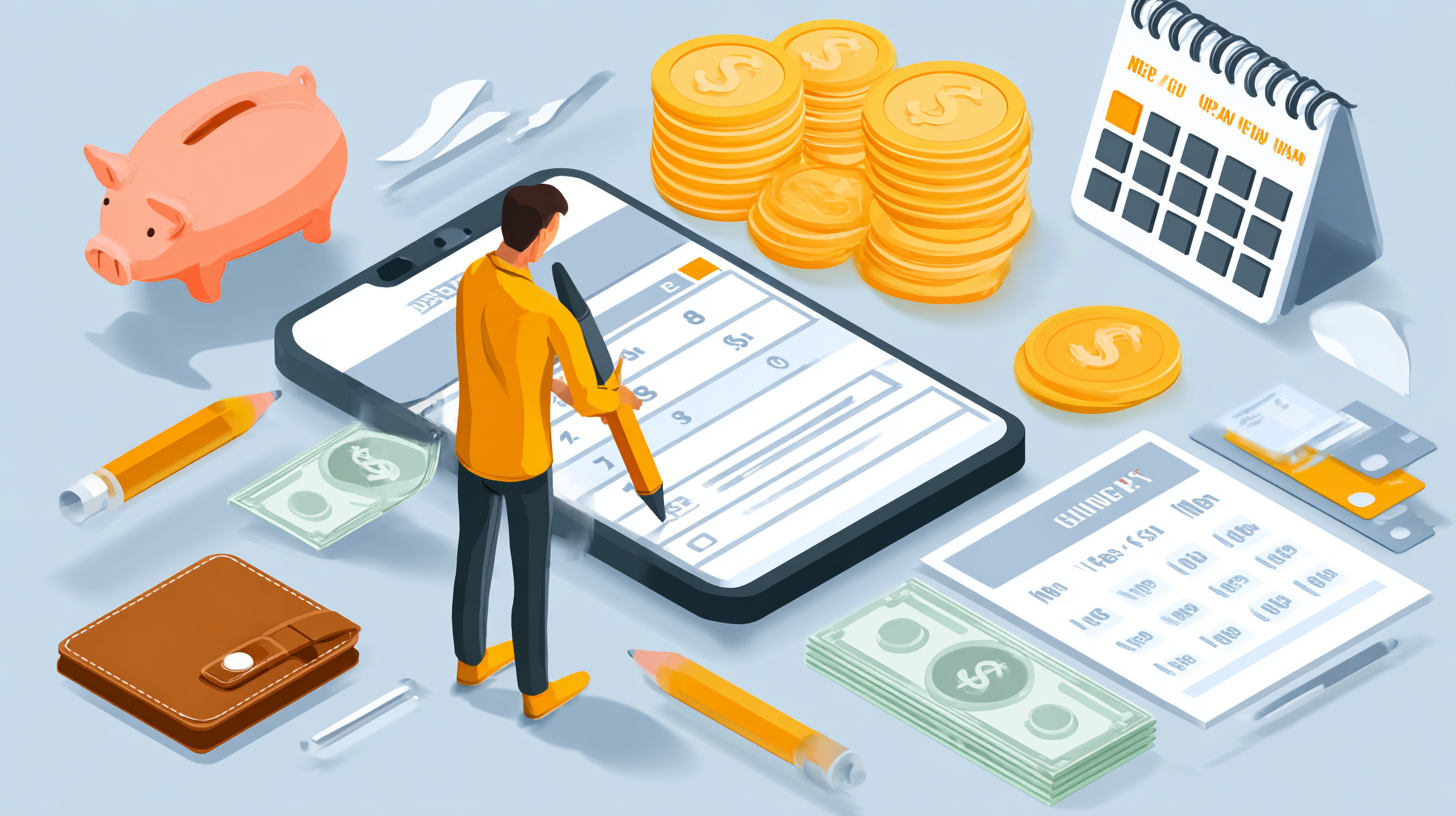
  • Eliminate printing costs. Replace hundreds of paper programs and flyers with one dynamic mobile app. No reprints. No waste.
  • Send instant updates. Push notifications keep attendees informed when schedules shift or speakers change.
  • Boost sponsor visibility. Digital banners and listings highlight sponsors at a fraction of the cost.
  • Create live engagement. Polls, Q&A, and photo sharing turn attendees into active participants.
  • Increase staff efficiency. With centralized schedules and real-time communication, staff spend less time troubleshooting and more time connecting.

“The look on organizers’ faces when they realize they can make schedule changes instantly — that’s the moment it clicks.”

It’s not just small teams seeing results. Verizon used Yapp to digitize its internal events, cutting 10% off annual event costs while boosting engagement. For nonprofits, that same model can translate to thousands of dollars saved — and countless hours returned to the mission.

What happens when nonprofits go mobile-first?

The best proof of success comes from nonprofits already embracing mobile-first events. By adopting event app solutions, they’re not just saving paper — they’re building stronger communities.

When Schools That Can moved its logistics to Yapp, organizers could push unlimited notifications, keeping every attendee informed and on schedule. The result: fewer questions, smoother transitions, and a stronger sense of connection among participants.

Meanwhile, Uncubed, an education and career nonprofit, saved over $100,000 after building their event apps on Yapp’s no-code platform. Their team now creates and updates event apps in under an hour — a process that once took weeks.

At Yapp, we see this transformation every week. Nonprofits of all sizes realize that professional-grade technology doesn’t have to carry a corporate price tag. They use Yapp to:

  • Stay adaptable when plans change mid-event.
  • Offer sponsors visibility without printing costs.
  • Keep attendees informed and excited in real time.
  • Collect instant feedback to improve next year’s experience.
  • Protect their budgets while delivering a premium event experience.
“Nonprofits shouldn’t have to choose between engagement and affordability,” says one Yapp product specialist. “With Yapp, they get both — and they can launch their app the same day.”

These organizations are proving that digital transformation isn’t just for tech giants or big conferences. It’s for every team that wants to connect their community more efficiently and sustainably.

Why are event app solutions the future of nonprofit engagement?

Every nonprofit event — from small volunteer meetups to nationwide fundraisers — depends on communication. When attendees, sponsors, and staff are aligned, engagement thrives. Event app solutions make that possible by creating one shared digital hub for everything: schedules, updates, photos, and conversations.

Yapp’s all-in-one event app builder empowers nonprofits to make this shift effortlessly. Within minutes, they can design a custom app, upload schedules, and publish updates to every attendee’s phone. No coding. No design experience. Just instant impact.
The benefits are tangible — lower costs, less waste, and more time spent building relationships. The planet wins, too: no printing, no shipping, no excess materials.

For nonprofits balancing limited resources and limitless goals, event app solutions are the bridge between mission and efficiency. They make it possible to deliver events that feel modern, connected, and mission-driven — without adding stress or expense.

When engagement and budgets collide, going digital isn’t a luxury anymore. It’s a necessity.

Ready to simplify your next event?

Save money. Delight attendees. Make your next fundraiser or forum easier to manage with Yapp’s event app builder.

Ready to make your next event better? Start your trial now!

5 Must-Have Features for Your Next Sales Kickoff Event App (Verizon example)

  • Yapp explains which five features matter most when building a strong sales kickoff event app.
  • Real-time notifications, personalized schedules, engagement tools, and sponsor visibility help keep SKOs organized and interactive.
  • Sales teams planning digital-first kickoff events can use this checklist to build smarter without overspending.
Why should your sales kickoff go digital?

Sales kickoffs do more than celebrate wins—they set the tone for the year ahead. They align teams, inspire action, and spark connection. But if your agenda still lives in spreadsheets and endless email threads, you’re losing engagement before the event even starts.

That’s where an event app changes the game. It replaces scattered communication with one sleek hub. Updates, sessions, and speaker info all live in one place—accessible anytime, anywhere.

At Yapp, we’ve seen firsthand how powerful this can be. Verizon used Yapp for regional training of 150–600 attendees, cutting event costs by 10% while increasing participation through push notifications and photo sharing.

One Yapp teammate shared, “When organizers stop chasing paper and start communicating instantly, you can feel the difference in the room.”

Organic growth backs this up, too. Traffic from blogs like How to Boost Attendee Engagement shows event planners are doubling down on digital tools to connect teams and measure impact.

If your sales kickoff still relies on static materials, it’s time to evolve. Let’s break down the must-have features your SKO app needs to shine.

What key features should your SKO app include?

When planning a fast-paced SKO, the right features ensure nothing slips through the cracks. Here are five that every event app needs to deliver a smooth, high-energy experience.

  • Real-time notifications. Plans shift—speakers run late, rooms change. Push alerts instantly notify attendees. Verizon leaned on this feature to keep regional trainings in sync, eliminating confusion.
  • Personalized schedules. Give every attendee a tailored agenda based on their role or track. It’s small personalization that delivers big perceived value.
  • Interactive engagement tools. SKOs work best when people participate. Polls, Q&A, and photo feeds transform sessions into conversations. One Yapp engineer told us, “When attendees start posting photos, that’s when you know they’re engaged.”
  • Sponsor and partner visibility. Even internal events include vendors or sponsors. Digital sponsor pages or banners add visibility without the printing costs.
  • Actionable insights and analytics. Post-event data tells you what worked. Track session attendance, poll responses, and engagement to improve future events.

These aren’t just nice-to-haves—they’re what modern SKO apps are built around. For instance, Uncubed saved over $100,000 after switching to Yapp, reducing print waste and ramping up engagement with instant updates.

And because Yapp’s no-code platform puts control in planners’ hands, teams can add, update, or remove content right up to showtime—without waiting on IT. That flexibility is why more companies are choosing mobile-first solutions over clunky legacy tools.

We’ve also seen data play a new role in post-event strategy. With Yapp’s built-in analytics, organizers can identify which sessions drew the biggest crowds or which topics drove the most engagement.

As one Yapp product manager put it, “For the first time, planners can see—not guess—what truly resonated. That’s the feedback loop that turns a good event into a great one.”

And here’s the kicker—those insights don’t just help next year’s kickoff. They drive year-round alignment. When you can measure engagement and content retention, you can reinforce the same themes in quarterly training or follow-up workshops. The SKO becomes the spark for an ongoing rhythm of communication, not a one-and-done event.

How can you build your SKO app without overspending?

Here’s the good news: you don’t need custom development or a massive budget. With a conference app builder like Yapp, anyone on your team can create a polished, fully branded app in under an hour—no coding required.

That’s exactly how Verizon scaled success across regions. They went from two event apps a year to nearly eight, each customized for specific audiences. Because the templates were reusable, they could adapt them for product launches, recognition programs, and internal conferences—all without new costs.

Our product team loves that moment when clients realize they can build once and reuse often.

As one Yapp teammate said, “Watching a customer use the same app for multiple events means we’ve built something truly sustainable.”

This approach also saves time. When event day hits, planners can focus on people, not logistics. Real-time updates keep everyone informed, analytics guide improvements, and the energy stays high from start to finish.

And it’s not just corporations benefiting. Nonprofits like Schools That Can have used Yapp to replace thousands of printed pages with mobile apps that keep logistics and communication in one place. Whether it’s a 150-person forum or a 5,000-person conference, the same foundation scales beautifully.

The long-term ROI is undeniable. When every SKO, town hall, or recognition event runs through one platform, you save money, time, and sanity. More importantly, you reinforce culture through a consistent experience. That’s what we hear most often from clients: it’s not just about logistics—it’s about alignment.

So, if you’re prepping your next sales kickoff, think beyond PowerPoints and printouts. Build something dynamic, interactive, and measurable. With Yapp, you can design, publish, and manage professional-grade mobile apps for every event on your calendar.

Ready to power your next SKO with Yapp? Create smarter, engage deeper, and drive momentum that lasts all year.

Start your free trial →

Build Pre-Event Buzz Using Your Event App

  • Yapp shows how an event app can build excitement and connection before the event even starts.
  • Early schedules, push notifications, sponsor highlights, and pre-event content help turn anticipation into action.
  • Event teams that want attendees to arrive informed, energized, and ready to engage should use this strategy.

Building excitement before an event isn’t just a marketing move — it’s part of the attendee experience. When people feel connected early, they show up ready, engaged, and more invested in your event’s success. That’s where your event app becomes a game changer.

Instead of waiting until the first day to connect with attendees, event organizers are using their apps to start conversations, deliver content, and create momentum weeks before doors even open. Yapp makes that process fast, easy, and effective, helping teams turn anticipation into action.

How can your app become the pre-event headquarters?

Think of your app as your digital command center. It’s the one place where attendees can see updates, share enthusiasm, and feel part of something before it officially begins. By setting up your event app early, you can build anticipation and reduce the noise of scattered emails or outdated PDFs.

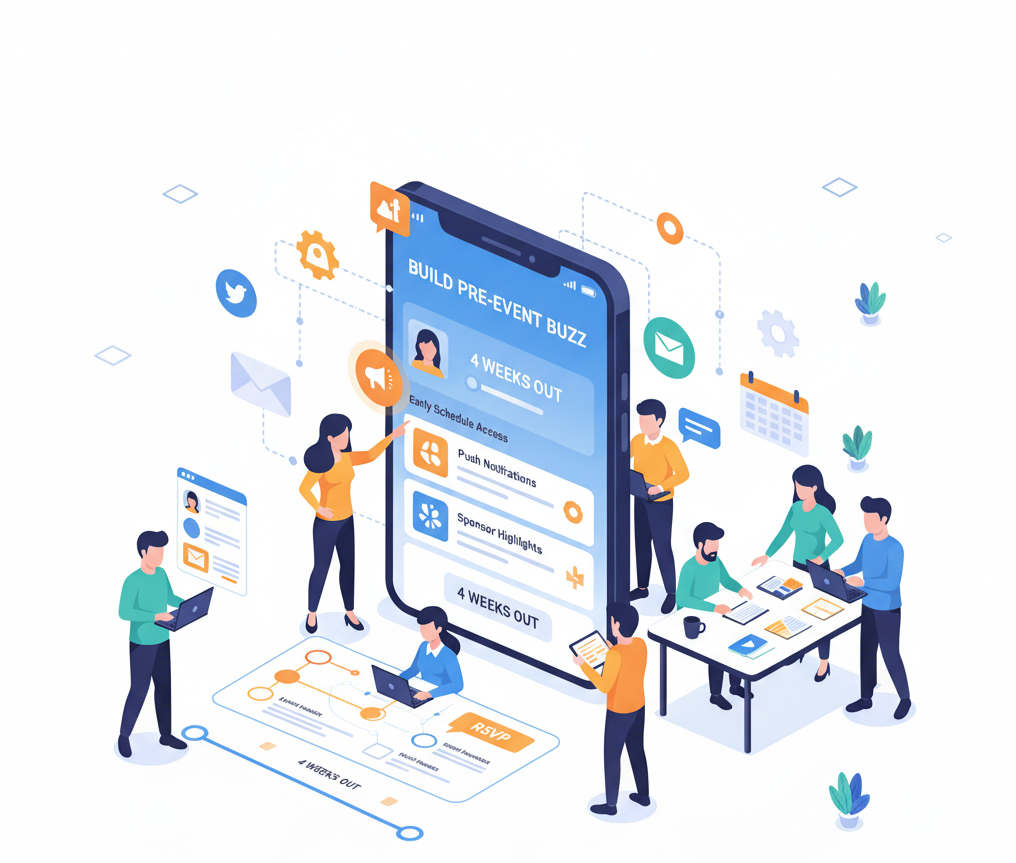
Here’s how organizers are turning their event apps into a pre-event powerhouse:

  • Early access to the schedule: Give attendees a first look at sessions, tracks, or keynotes. Even a draft version builds curiosity.
  • Push notifications for updates: Send reminders about registration deadlines, hotel booking windows, or early-bird offers.
  • Sponsor and partner highlights: Showcase your sponsors before the event starts to drive visibility and engagement.
  • Interactive introductions: Encourage attendees to fill out profiles or participate in icebreaker polls.
  • Pre-event content drops: Share videos, behind-the-scenes planning updates, or sneak peeks at your venue setup.

When attendees can engage in one central app, your event turns from a single date into a connected community. Launching the app early helps audiences get involved sooner — a small move that delivers major impact.

What happens when pre-event engagement takes off?

The difference between a good event and a great one often comes down to momentum. By the time attendees arrive, the energy they bring can shape the entire experience. Early engagement builds that momentum naturally and sets the tone for everything that follows.

When attendees are already using your app, they arrive informed and confident. They know where to find the schedule, how to navigate the venue, and who else will be there. That means fewer logistical questions and more time spent networking, learning, and participating in meaningful ways.

Organizations like Uncubed have proven this approach at scale. They used Yapp to keep thousands of conference attendees informed and ready across multiple cities. By centralizing everything in one app instead of juggling emails or print materials, they saw stronger engagement and major cost savings.

Schools That Can, a national education nonprofit, saw similar success. Their pre-event communication through Yapp kept participants aligned and reduced confusion even when schedules shifted. Smooth coordination meant their attendees stayed focused on collaboration instead of logistics.

Across industries, event teams using Yapp’s no-code platform report faster coordination, higher engagement, and fewer last-minute scrambles. Pre-event buzz doesn’t just happen — it’s built through consistent communication. When your app becomes the go-to source for updates, engagement starts long before the first keynote and carries through every moment of your event.

How do you keep momentum strong before the event?

Once your app is live and the first attendees join, the goal is to maintain engagement. The most successful event teams follow a rhythm that keeps excitement high without overwhelming their audience.

Here’s a proven sequence for pre-event engagement:

  1. Four weeks before the event: Announce your app and share download instructions everywhere — social media, confirmation emails, and your website.
  2. Three weeks out: Release teaser content. This could be session previews, speaker introductions, or short video updates from your team.
  3. Two weeks out: Use push notifications to build energy — announce fun activities, networking opportunities, or countdown milestones.
  4. One week before: Encourage attendee participation. Ask them to upload introductions or join app-based challenges.
  5. Final days: Share final logistics, parking maps, and welcome notes inside the app to help people feel ready and supported.

Each step reinforces your brand presence and keeps attendees informed. And because Yapp makes it easy to update content instantly, you can adapt messaging on the fly without going through developers or support tickets.

Event teams at companies like Verizon have used this flexibility to streamline their internal conferences and training events. With one unified app for multiple departments, they reduced communication friction and replaced stacks of printed material with mobile updates that reached everyone instantly.

We often hear from Yapp users that once they start pre-event engagement through the app, their communication costs drop — and attendee satisfaction scores rise. People appreciate having a single, mobile-friendly place where they can find everything without digging through inboxes.

A good pre-event buzz strategy doesn’t just fill the silence before an event. It creates a shared experience, one that begins long before anyone arrives and continues afterward. With Yapp, that process is quick to set up, easy to manage, and proven to work across every kind of event.

If you’re ready to start driving engagement early, try building your next app using Yapp’s event app creator. Whether you’re managing a small meeting or a global conference, your attendees will thank you for starting the conversation sooner.

Ready to make your next event better? Start your trial now!